The Adolescent Malinois: Surviving the 8 to 18 Month Phase
Your perfect puppy just became a teenage nightmare. What happens during Malinois adolescence and how to come out the other side intact.
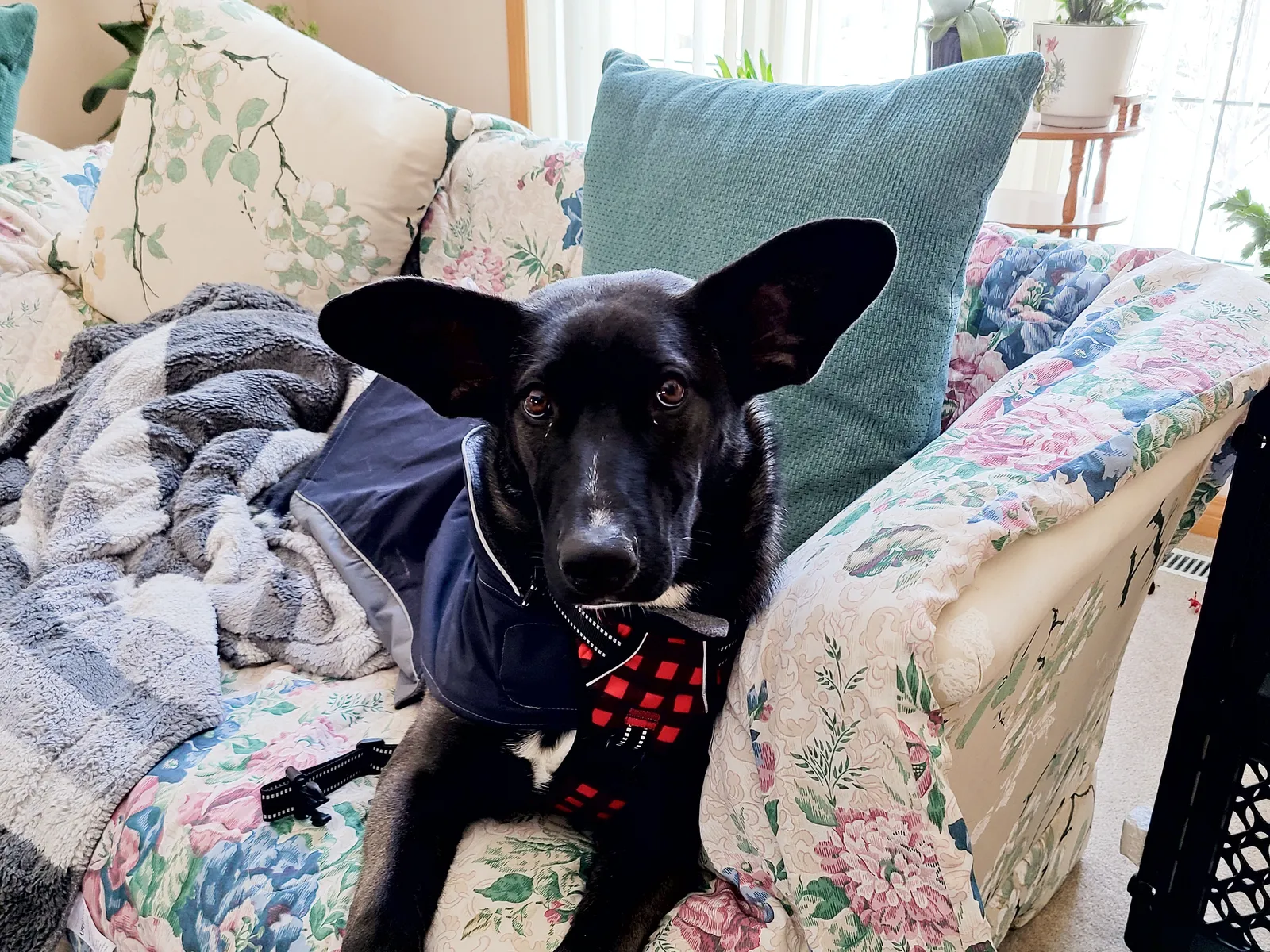
Understanding the Adolescent Belgian Malinois
If you’ve got an 8-month-old Malinois who’s suddenly forgotten every command they knew and developed selective hearing, welcome to adolescence. This challenging phase, typically lasting from 8 to 18 months, can test even the most patient owner’s resolve. But don’t worry, we’ve been through it with Coco and can help you understand what’s happening.
What Changes During Adolescence?
The sweet, attentive puppy who hung on your every word transforms seemingly overnight. Our photo library shows a stark contrast between Coco’s early months and her teenage phase. While our early photos show her consistently engaged and responsive, the adolescent period brought new challenges.
Physical Changes
During this period, your Malinois will reach their adult size, though they might not fill out completely until age 2. Female Malinois typically reach 40-60 pounds and 22-24 inches at the shoulder, while males grow to 60-80 pounds and 24-26 inches.
Mental Changes
The teenage brain undergoes significant rewiring. You might notice:
- Increased independence
- Testing boundaries
- Selective hearing
- Regression in training
- Higher reactivity to stimuli
- Fluctuating confidence levels
Managing the Challenges
Exercise Needs
Adolescent Malinois need structured exercise and mental stimulation. Based on our research and experience with Coco, we’ve found success with:
- Regular physical exercise (2-3 hours daily)
- Mental enrichment through training
- Structured play sessions
- Environmental exploration
Looking at our photo library, we see high engagement with swimming (88 documented photos) and walking (65 photos), showing the importance of varied exercise types.
Training Adjustments
Don’t panic if your teenager seems to forget their training. This is normal, but requires adjustment:
- Return to basics when needed
- Keep training sessions shorter
- Use higher value rewards
- Stay consistent with rules
- Practice in low-distraction environments first
Managing Impulse Control
Impulse control often deteriorates during adolescence. We found success by:
- Reinforcing calm behavior
- Teaching “place” command
- Requiring waiting before meals
- Making them work for attention
- Using structured games
Common Adolescent Challenges
Increased Reactivity
Many Malinois become more reactive during adolescence. If you notice increased barking, lunging, or sensitivity to environmental triggers, consult a professional trainer. While this phase is normal, proper management is crucial for long-term success.
Sleep Changes
Our photo library shows 256 documented resting photos, highlighting the importance of downtime. Teenage dogs might fight sleep like human teenagers, but adequate rest remains crucial. Watch for signs of overtiredness:
- Increased irritability
- Zoomies
- Inability to settle
- Excessive barking
- Poor impulse control
Social Changes
Adolescent Malinois might become more selective about their dog friends or show increased wariness of strangers. This isn’t necessarily aggression, but careful management is important. Always supervise interactions and respect your dog’s comfort level.
Health Considerations
The adolescent period brings specific health considerations. Talk to your vet about:
- Joint health during rapid growth
- Appropriate exercise levels
- Nutrition needs
- Spay/neuter timing
- Preventive care
Looking Forward
Remember, adolescence is temporary. Our photo library shows the progression from puppy (128 photos) through young adult (147) to mature adult (316), demonstrating the eventual settling that comes with maturity.
Tips for Survival
- Stay consistent with rules and training
- Keep your sense of humor
- Document progress, even small wins
- Connect with other Malinois owners for support
- Remember it’s a phase
Most importantly, maintain your bond through positive interactions. While structure matters, your relationship with your dog matters more. Keep training sessions upbeat and celebrate small victories.
Frequently Asked Questions
How long does the teenage phase last in Belgian Malinois?
The adolescent phase typically lasts from 8 to 18 months, though some dogs might show teenage behaviors for longer or shorter periods. Every dog's different, and you'll likely see gradual improvement rather than a sudden change.
Should I change my training methods during adolescence?
While your core training methods shouldn't change, you might need to adjust your approach. Return to basics if needed, use higher value rewards, and keep sessions shorter. Don't give up on training, but do be patient with regression.
Is increased reactivity during adolescence normal?
Yes, many Malinois show increased reactivity during adolescence. While it's normal, it shouldn't be ignored. Work with a professional trainer if needed, and don't wait for your dog to "grow out of it" if the behavior concerns you.
Coco's Human
Belgian Malinois owner since 2020