Belgian Malinois Health Issues: What Owners Should Screen For
Malinois are generally healthy but not bulletproof. The conditions to screen for, when to test, and what our vet recommends.
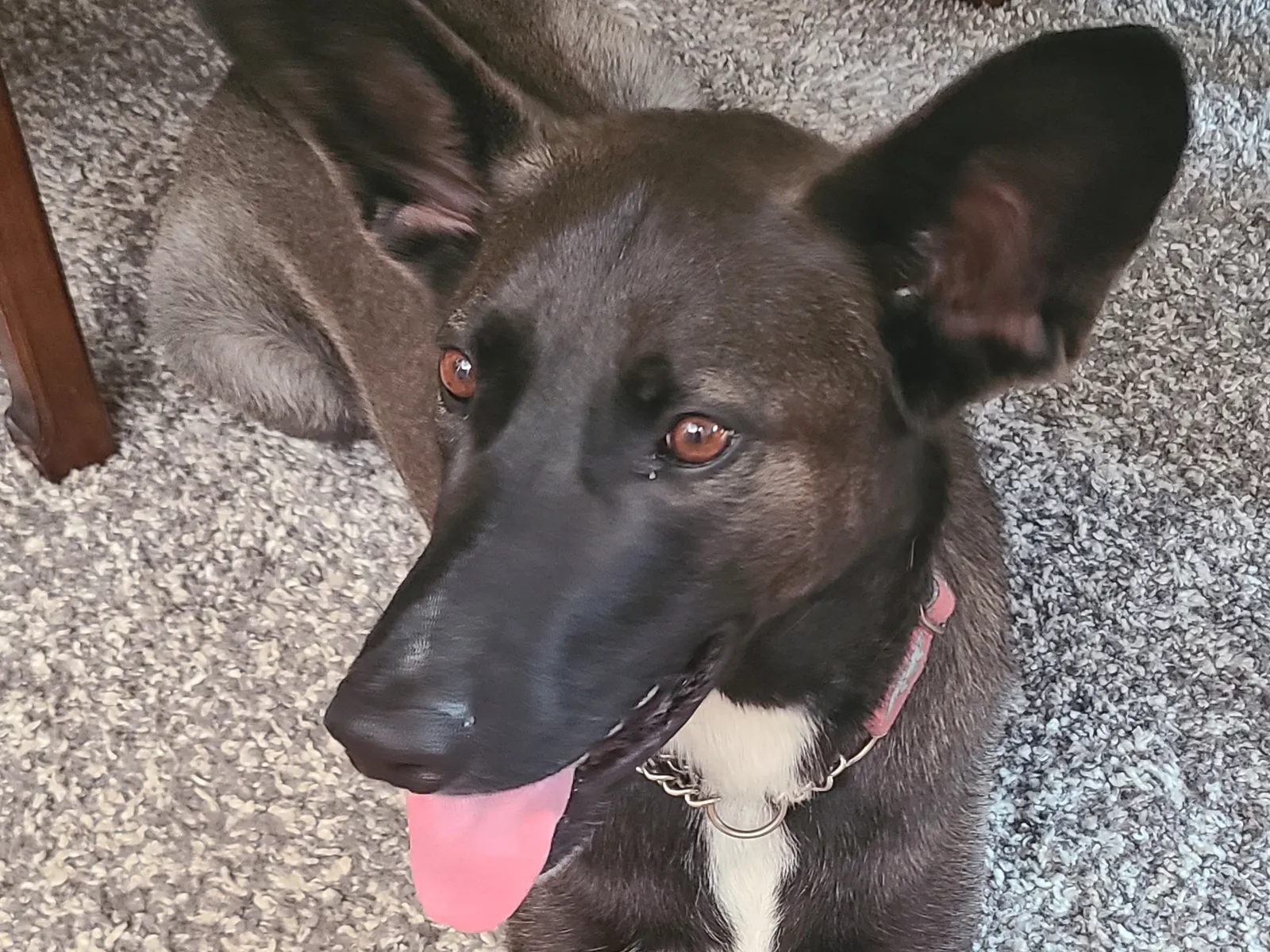
Understanding Belgian Malinois Health Concerns
Belgian Malinois are known for their robust health, but like all breeds, they’re prone to specific conditions. After raising Coco from puppyhood and working closely with our vet, we’ve learned what health issues need monitoring and when to start screening.
Common Genetic Health Issues
Hip Dysplasia
Hip dysplasia tops the list of hereditary concerns in Malinois. While less common than in German Shepherds, it’s still crucial to screen for. Our vet recommends preliminary hip evaluations around 6 months, with official OFA testing after 2 years.
Regular exercise helps maintain joint health. We’ve found swimming particularly effective, with 88 documented swim photos in our photo library showing Coco’s love for low-impact exercise. Between river, lake, and pool sessions, water exercise has been a cornerstone of her joint care routine.
Progressive Retinal Atrophy (PRA)
PRA is an inherited eye condition that can lead to blindness. While relatively rare in Malinois, screening should start early. Annual eye exams by a veterinary ophthalmologist can catch early signs.
Elbow Dysplasia
Like hip issues, elbow problems can affect Malinois. Screening typically happens alongside hip evaluations. Our vet stresses the importance of maintaining healthy weight to reduce joint stress.
Health Monitoring Through Life Stages
Puppy Stage (2-12 months)
Based on our experience with Coco’s early months, documented across 128 puppy-stage photos and videos, key health focuses include:
- Vaccination schedule
- Growth rate monitoring
- Joint development
- Dental health
Young Adult (1-3 years)
During this active period, shown in 147 entries from our library, priorities shift to:
- Regular exercise monitoring
- Joint health maintenance
- Weight management
- Dental cleaning schedule
Adult Maintenance (3+ years)
Our adult-stage documentation (316 entries) shows the importance of:
- Annual wellness checks
- Regular dental care
- Continued exercise adaptation
- Weight monitoring
Exercise and Health Connection
Physical activity plays a crucial role in Malinois health. Our content library shows Coco’s diverse exercise pattern:
- Swimming: 88 photos
- Walking: 65 documented walks
- Running: 28 high-intensity photos
- Exploring: 50 mental stimulation activities
This variety helps maintain joint health while building strength. We’ve found that mixing high-intensity activities with low-impact options like swimming helps prevent overuse injuries.
Preventive Care Schedule
Regular Screenings
Based on our vet’s recommendations:
- Annual wellness exams
- Bi-annual dental checks
- Eye examinations yearly
- Hip and elbow evaluations as recommended
Vaccination Schedule
Always follow your vet’s specific recommendations for:
- Core vaccines
- Lifestyle-based vaccines
- Booster timing
- Titer testing options
Weight Management
Maintaining healthy weight is crucial for joint health. The standard weight ranges for Belgian Malinois are:
- Females: 40-60 pounds
- Males: 60-80 pounds
Regular weigh-ins during vet visits help track trends and adjust feeding as needed.
When to Call the Vet
Some signs always warrant immediate veterinary attention:
- Sudden changes in energy level
- Appetite changes
- Limping or mobility issues
- Respiratory difficulties
- Digestive problems
- Behavioral changes
Preventive Care Tips
Our experience has shown these practices help maintain good health:
- Regular exercise appropriate to age and fitness level
- Consistent dental care
- Weight monitoring
- Joint-friendly activities like swimming
- Mental stimulation through varied activities
Remember that every dog is unique. What works for one might not work for another, so always consult your veterinarian for personalized advice.
Working with Your Vet
Build a strong relationship with your vet. Regular check-ups help establish baseline health markers and catch potential issues early. Don’t hesitate to ask questions or seek second opinions for serious concerns.
Frequently Asked Questions
How often should I take my Belgian Malinois to the vet?
We take Coco for annual wellness exams, but puppies need more frequent visits for vaccines and growth monitoring. Your vet might recommend bi-annual checks as your dog ages.
What's the best age to start hip dysplasia screening?
Our vet recommends preliminary screening around 6 months, with official OFA testing after 2 years. Don't wait for symptoms to appear, early screening is key.
Are Belgian Malinois prone to joint problems?
While they're generally healthy, Malinois can develop hip and elbow dysplasia. Regular exercise, proper nutrition, and maintaining healthy weight help reduce risks. Swimming's been great for Coco's joint health.
Coco's Human
Belgian Malinois owner since 2020