Belgian Malinois Temperament: What the Breed Standard Doesn't Tell You
The breed standard says 'alert and watchful.' It doesn't mention the velcro behavior, the intensity, or the emotional complexity.
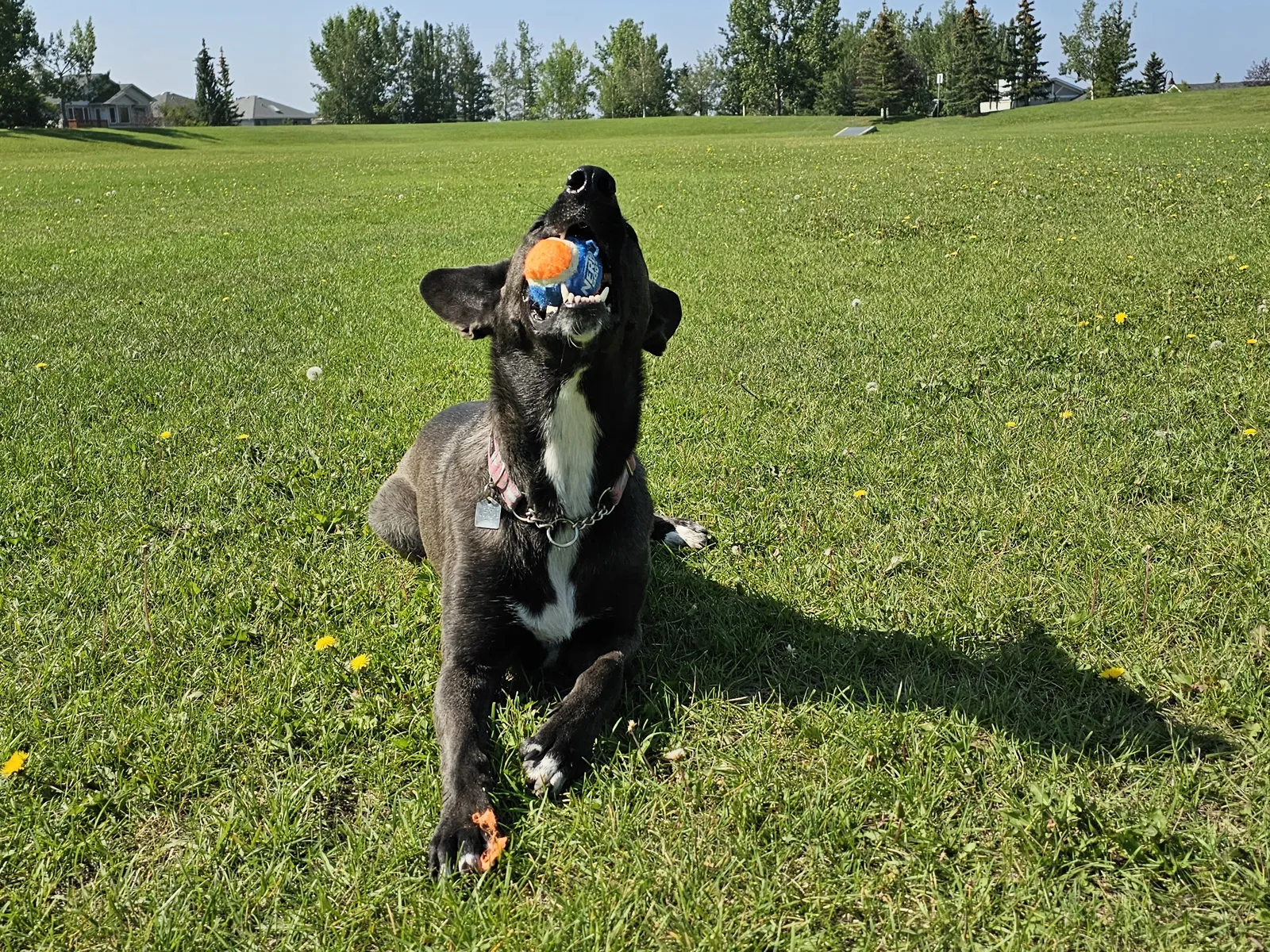
Understanding Belgian Malinois Temperament
The Belgian Malinois temperament is far more complex than the breed standard’s simple “alert and watchful” description suggests. After raising Coco since 2020 and documenting over 600 moments of her life, we’ve learned that these dogs are intense, intelligent, and incredibly nuanced in their emotional range.
The Intensity Factor
Malinois bring an unmistakable intensity to everything they do. This isn’t just about exercise or work drive. It’s about how they experience the world. Looking through our photo library of 636 moments, we see this intensity across all activities, from focused play sessions to quiet moments at home.
Always “On”
Even in our collection of 256 resting photos, Coco’s alertness shows through. A Malinois at rest isn’t like other dogs napping. They’re often:
- Positioned to watch doorways
- Ears moving to track sounds
- Ready to spring into action
This constant awareness can be challenging for first-time owners. It’s not a training issue, it’s hardwired into their DNA.
The Velcro Dog Reality
One aspect rarely mentioned in breed descriptions is the intense attachment these dogs form with their people. Our indoor photo collection (345 images) shows a clear pattern: where we are, Coco is. This “velcro dog” behavior isn’t neediness, it’s an ingrained trait from their heritage as working partners.
Following vs Monitoring
There’s an important distinction here. Malinois don’t just follow you around, they actively monitor your:
- Movement patterns
- Body language
- Activity level
- Emotional state
Athletic Capability
The physical abilities of a Malinois can’t be separated from their temperament. Our photo library includes 88 swimming photos across different water settings (rivers, lakes), showing their natural athletic ability. But it’s not just about physical prowess.
Mental Athletics
What makes Malinois unique is how they combine physical ability with mental engagement. Every activity becomes an opportunity for both physical and mental exercise. This is why simple fetch isn’t enough. They need activities that challenge both body and mind.
Emotional Intelligence
Through raising Coco, we’ve observed a level of emotional intelligence that surprised us. Malinois pick up on subtle mood changes and respond accordingly. Our photo collection shows distinct behavioral patterns based on the setting and situation.
The Sensitivity Factor
This emotional intelligence comes with sensitivity. Malinois can be affected by:
- Changes in routine
- Household tension
- Environmental stress
- Social dynamics
Age-Related Temperament Changes
Our photo library spans multiple life stages, from baby (25 photos) through adult (316 photos). We’ve noticed clear temperament shifts:
Puppy Phase (2-6 months)
- High energy but shorter bursts
- Intense curiosity
- Strong attachment forming
Young Adult (6-24 months)
- Peak physical energy
- Growing focus
- Refined emotional responses
Adult (2+ years)
- More settled indoor behavior
- Better emotional regulation
- Maintained work drive
Setting-Specific Behavior
Our documentation across 14 different settings reveals how Malinois adapt their behavior to environment. Indoor photos (345) show different energy levels than outdoor activities in fields (39) or forests (19).
Location Matters
We’ve noticed distinct behavior patterns:
- Indoor: More controlled, but always alert
- Water settings: Focused and determined (88 swimming photos)
- Open spaces: Increased scanning behavior
- Confined spaces: Higher awareness levels
Training Implications
Understanding Malinois temperament is crucial for effective training. Their combination of intelligence, intensity, and sensitivity means:
- Traditional correction-based methods often backfire
- Positive reinforcement works well with their desire to engage
- Consistency is essential
- Mental stimulation is as important as physical exercise
Living with a Malinois
Daily life with a Malinois requires understanding and adapting to their temperament. Our experience shows they can be wonderful companions when their needs are met:
- Regular exercise (varied activities shown in our 636-item library)
- Mental stimulation
- Clear boundaries
- Strong bonds with their people
The Reality Check
While our photos capture many joyful moments, living with a Malinois isn’t always easy. Their intensity can be challenging. They’re not:
- Casual pets
- Weekend warriors
- Independent dogs
- Naturally calm
They’re working dogs who need jobs, structure, and engagement.
Frequently Asked Questions
How much exercise does a Malinois really need daily?
Based on our experience, they need 1-2 hours of varied physical activity plus mental stimulation. It's not just about duration, it's about intensity and engagement. Every Malinois is different though, so you'll need to find your dog's sweet spot.
Are Malinois good with other pets?
With proper socialization, they can be. But their high prey drive and intensity mean you'll need to supervise interactions carefully. Always consult a professional trainer for specific situations.
Can Malinois be apartment dogs?
While it's possible, it's challenging. They can adapt to apartment living if they get enough exercise and mental stimulation, but they're not naturally suited to confined spaces. We've found they do best with room to move.
Coco's Human
Belgian Malinois owner since 2020