Bloat in Deep-Chested Breeds: Prevention and Emergency Response
Bloat kills dogs in hours. Every Malinois owner needs to know the signs, prevention strategies, and emergency response protocol.
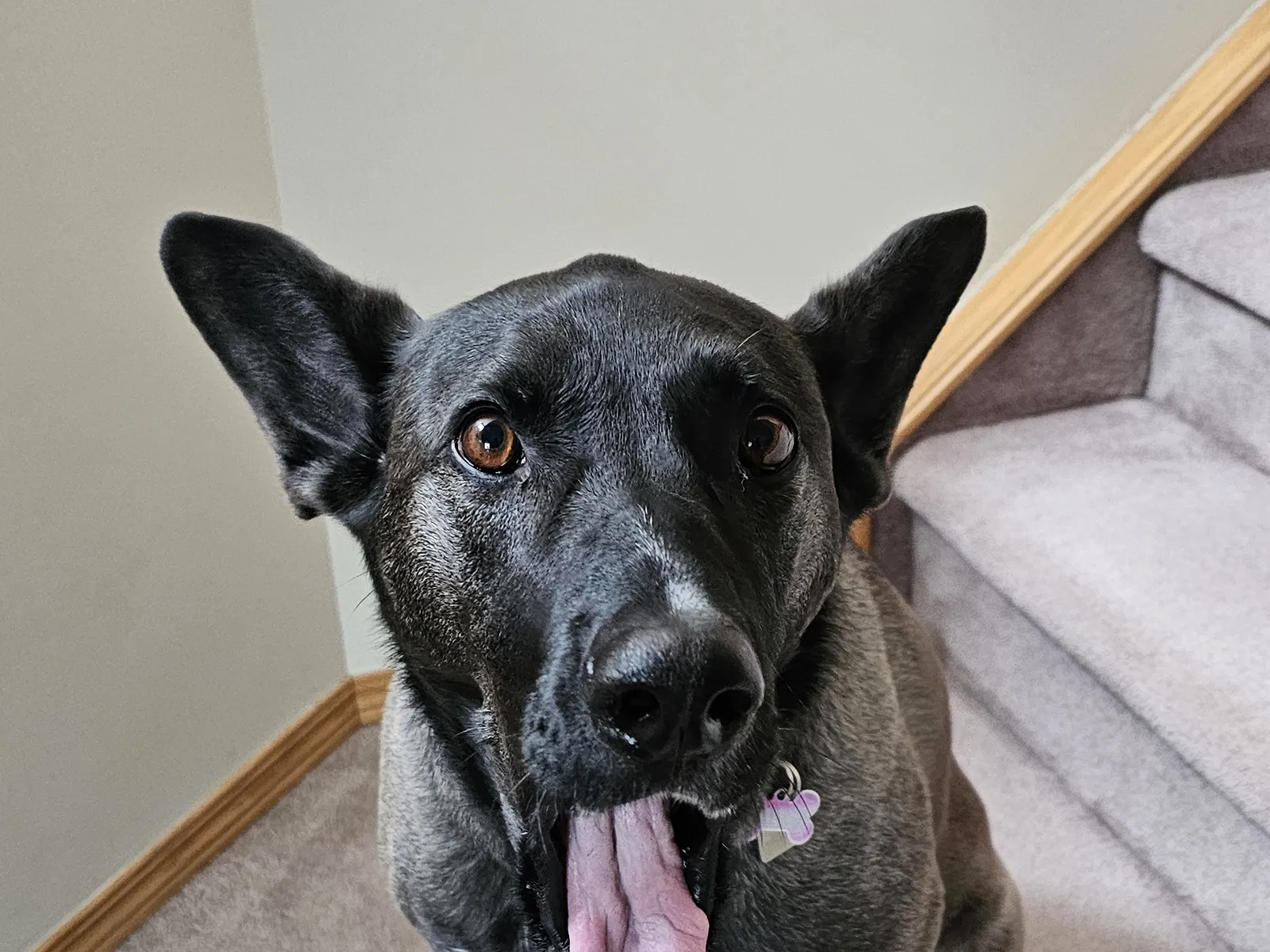
Understanding Bloat Risk in Belgian Malinois
Deep-chested breeds like the Belgian Malinois face a higher risk of gastric dilatation and volvulus (GDV), commonly known as bloat. We’ve spent considerable time researching this condition since getting Coco, our Malinois, and structuring her exercise and feeding schedule to minimize risk. While we haven’t experienced bloat personally, we’re sharing what we’ve learned from veterinary resources and how we apply prevention strategies.
What is Bloat?
Bloat occurs when a dog’s stomach fills with gas and twists on itself, cutting off blood flow. It’s a life-threatening emergency that can kill within hours if left untreated. Deep-chested breeds like Belgian Malinois are particularly susceptible due to their anatomy.
Warning Signs
Look for these symptoms:
- Distended or hard abdomen
- Unproductive retching
- Restlessness and pacing
- Drooling
- Rapid breathing
- Signs of pain when touching the belly
If you notice these signs, get to an emergency vet immediately. Don’t wait to see if it resolves. Minutes matter with bloat.
Prevention Through Activity Management
Managing exercise around meals is crucial for preventing bloat. Our photo library shows Coco’s high activity levels: 88 documented swimming photos and 28 running photos across various settings. This data helped us structure safer feeding schedules.
Exercise Timing Guidelines
Based on veterinary recommendations:
- No vigorous exercise 1 hour before meals
- No vigorous exercise 2 hours after meals
- Schedule intense activities (like swimming) well away from feeding times
Looking at our activity patterns, we’ve documented:
- 76 river photos
- 37 lake outings
- 39 field activities
We schedule these high-energy sessions at least two hours after meals or early in the morning before breakfast.
Feeding Practices for Prevention
Meal Structure
Our research indicates these feeding practices help reduce bloat risk:
- Multiple small meals instead of one large meal
- Food and water bowls elevated only if recommended by your vet
- Wet food or moistened kibble to slow eating
- No exercise right after meals
Water Management
From our photo collection, we’ve captured only 4 drinking moments, but water management is crucial:
- Always provide fresh water
- Limit water intake right after exercise
- Monitor drinking speed
- Use bowls designed to prevent gulping
Risk Factors to Consider
Several factors increase bloat risk:
- Deep chest anatomy
- Rapid eating
- Age (risk increases in adult dogs)
- Family history
- Stress or anxiety
- Large meals
- Dry kibble only diet
Creating a Prevention Plan
Daily Schedule Example
Based on our documented activity patterns:
- Morning: Light walk
- Breakfast
- 2-hour rest period
- Main exercise (swimming, running)
- Rest period
- Evening meal
- Light evening walk
Exercise Intensity
Our photo library shows varying activity levels:
- High intensity: swimming (88 photos)
- Moderate: running (28 photos)
- Low impact: walking (65 photos)
We adjust meal timing based on planned activity intensity.
Emergency Preparedness
Know Your Resources
Before an emergency:
- Locate your nearest 24-hour emergency vet
- Save emergency vet numbers in your phone
- Keep directions to emergency clinics handy
- Discuss bloat risk with your regular vet
Action Plan
If you suspect bloat:
- Call emergency vet immediately
- Don’t wait for more symptoms
- Don’t try home remedies
- Get there fast but drive safely
- Call ahead so they’re prepared
Veterinary Care
Always consult your veterinarian about bloat prevention. They might recommend:
- Preventive surgery (gastropexy)
- Specific feeding schedules
- Diet modifications
- Exercise restrictions
Some vets suggest gastropexy during spay/neuter for high-risk breeds. This surgery attaches the stomach to the body wall to prevent twisting. Talk to your vet about whether this option makes sense for your dog.
Ongoing Monitoring
We track Coco’s activity levels (636 documented moments across various settings) to maintain safe exercise patterns. This helps us:
- Identify high-intensity periods
- Plan meal times appropriately
- Adjust schedules seasonally
- Monitor water intake patterns
Remember that prevention strategies aren’t guaranteed protection. Know the warning signs and be ready to act fast if needed.
Frequently Asked Questions
Should I feed my Malinois from an elevated bowl to prevent bloat?
Don't make this decision without consulting your vet. While elevated bowls were once universally recommended, recent research isn't conclusive. Your vet can evaluate your dog's specific needs and risks.
How long should I wait after feeding before letting my dog exercise?
We wait at least 2 hours after meals before any significant exercise. For very intense activities like swimming, we'll wait even longer or schedule them before meals.
What's the first thing I should do if I suspect bloat?
Call your emergency vet immediately and head their way. Don't wait to see if symptoms improve, don't try home remedies, and don't delay. Bloat is a true emergency where minutes count.
Coco's Human
Belgian Malinois owner since 2020