Crate Training a Malinois: From Screaming to Safe Space
Crate training a Malinois tests your patience. What actually worked, the mistakes we made, and why the crate became Coco's favorite spot.
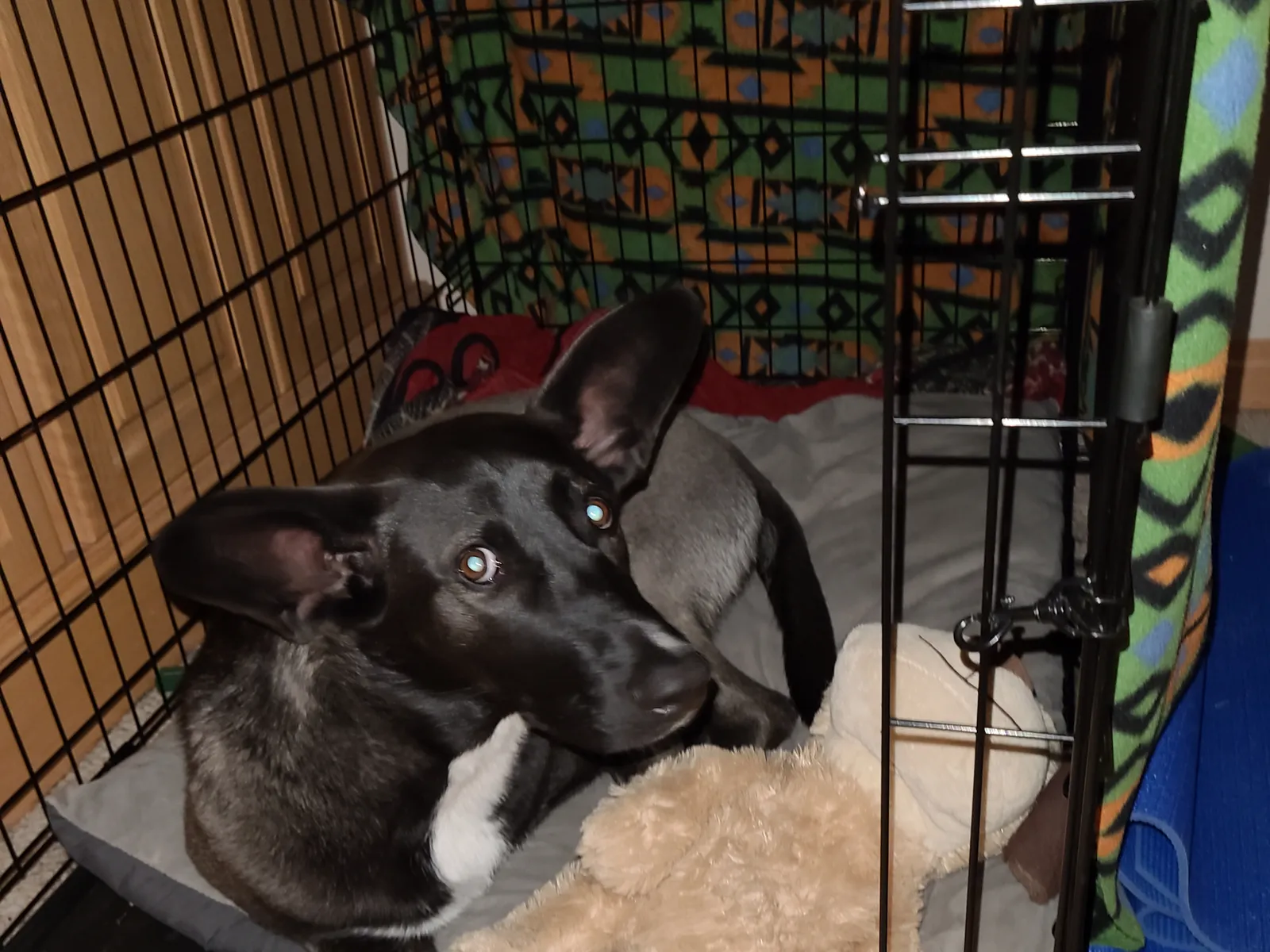
Why Crate Training Matters for a Belgian Malinois
Crate training a Belgian Malinois isn’t just helpful, it’s essential. With 345 indoor photos and videos in our library, we’ve learned firsthand that successful indoor management makes or breaks life with these intense dogs. Our journey with Coco taught us that a properly introduced crate becomes more than a training tool: it’s a vital safe space for your Malinois.
Starting Right: The First Week
Those first nights with a Malinois puppy test your resolve. When we brought Coco home at 8 weeks, we made some classic mistakes before finding what worked. Here’s our hard-earned wisdom:
Location Matters
Place the crate where your Malinois can see you but not in high-traffic areas. We started with Coco’s crate in the living room (bad idea) before moving it to a quiet corner of the bedroom (much better).
Size and Setup
- Choose a crate sized for an adult Malinois (22-24 inches at shoulder for females)
- Use a divider to limit space while they’re small
- Include one soft blanket or bed
- Skip toys initially: they’re distracting when you want sleep
The First Night Schedule
- Last potty break at 11 PM
- Set alarms for 2 AM and 5 AM
- Straight to potty, then back to crate
- No playing during night breaks
Common Mistakes We Made
Learning from our mistakes might save you some sleepless nights:
Too Much Space
We started without a divider, giving Coco too much room. This led to the classic “potty in one end, sleep in the other” problem. Adding the divider fixed this immediately.
Inconsistent Response to Crying
Some nights we’d cave to the whining, others we’d stay firm. This inconsistency just reinforced the vocal protests. Once we committed to never responding to crying (unless it was a scheduled potty break), things improved within days.
Rushing the Process
Based on our photo library showing 256 successful resting moments, we know calm behavior is achievable. But it takes time. Don’t expect overnight success.
What Actually Worked
Gradual Duration Training
Start with short sessions:
- 5 minutes while you’re in sight
- 10 minutes while you’re in another room
- 30 minutes during household tasks
- Build up to longer periods gradually
Making it Positive
Our content library shows 22 photos of Coco resting contentedly in her crate during early training. Here’s what helped:
- Feed meals near (then in) the crate
- Special treats only appear in the crate
- Cover three sides for a den feeling
- Keep the routine boring but consistent
Exercise Balance
A tired Malinois is more likely to settle. But don’t exhaust them: an overtired puppy is often more resistant to crating. We aimed for moderate activity before crate time.
Creating a Schedule
Puppy Schedule (8-16 weeks)
- 6 AM: Potty break
- 7 AM: Breakfast + play
- 9 AM: Crate time
- 12 PM: Lunch + play
- 2 PM: Crate time
- 5 PM: Dinner + play
- 8 PM: Last play session
- 11 PM: Final potty
- 2 AM & 5 AM: Quick potty breaks
Adjusting for Growth
As your Malinois ages, they’ll need fewer potty breaks. By 6 months, most can hold it through the night. But don’t rush this: better to get up once than clean the crate.
Beyond Basic Training
The Crate as a Calm Space
Our library includes 256 photos of Coco resting, showing that Malinois can learn to be calm. The crate becomes part of this training:
- Use it for enforced naps
- Give quiet time after high energy activities
- Make it the default “settle” spot
Travel and Vet Visits
A crate-trained Malinois handles travel and vet stays better. Our photos show Coco comfortable in various indoor settings because she views her crate as home base.
When to Get Help
While we successfully crate trained Coco, some cases need professional help. Contact a positive reinforcement trainer if:
- Extreme anxiety persists past two weeks
- Self-injury occurs during crating
- Progress completely stalls
- Regression happens suddenly
Building Lifetime Habits
The effort you put into crate training pays off for years. Our photo library shows the progression from uncertain puppy to confident adult who chooses her crate as a retreat. Remember: this isn’t about confining your Malinois, it’s about giving them a secure space they want to use.
Frequently Asked Questions
How long can a Malinois puppy stay in a crate?
The general rule is their age in months plus one hour, up to 4 hours max for puppies. Our 8-week-old couldn't go longer than 3 hours without a potty break, even at night.
Should I put food and water in the crate?
No water or food in the crate during training, except for special treats during positive reinforcement. We don't want accidents or choking risks.
What if my Malinois won't stop screaming in the crate?
Don't respond to crying unless it's a scheduled break time. If extreme anxiety continues past two weeks, consult a positive reinforcement trainer. We learned that consistency is key: every response to crying just reinforces it.
Coco's Human
Belgian Malinois owner since 2020