Your First Year With a Belgian Malinois: What Nobody Tells You
Honest expectations for the first 12 months with a Malinois. The good, the hard, and what actually helped us survive it.
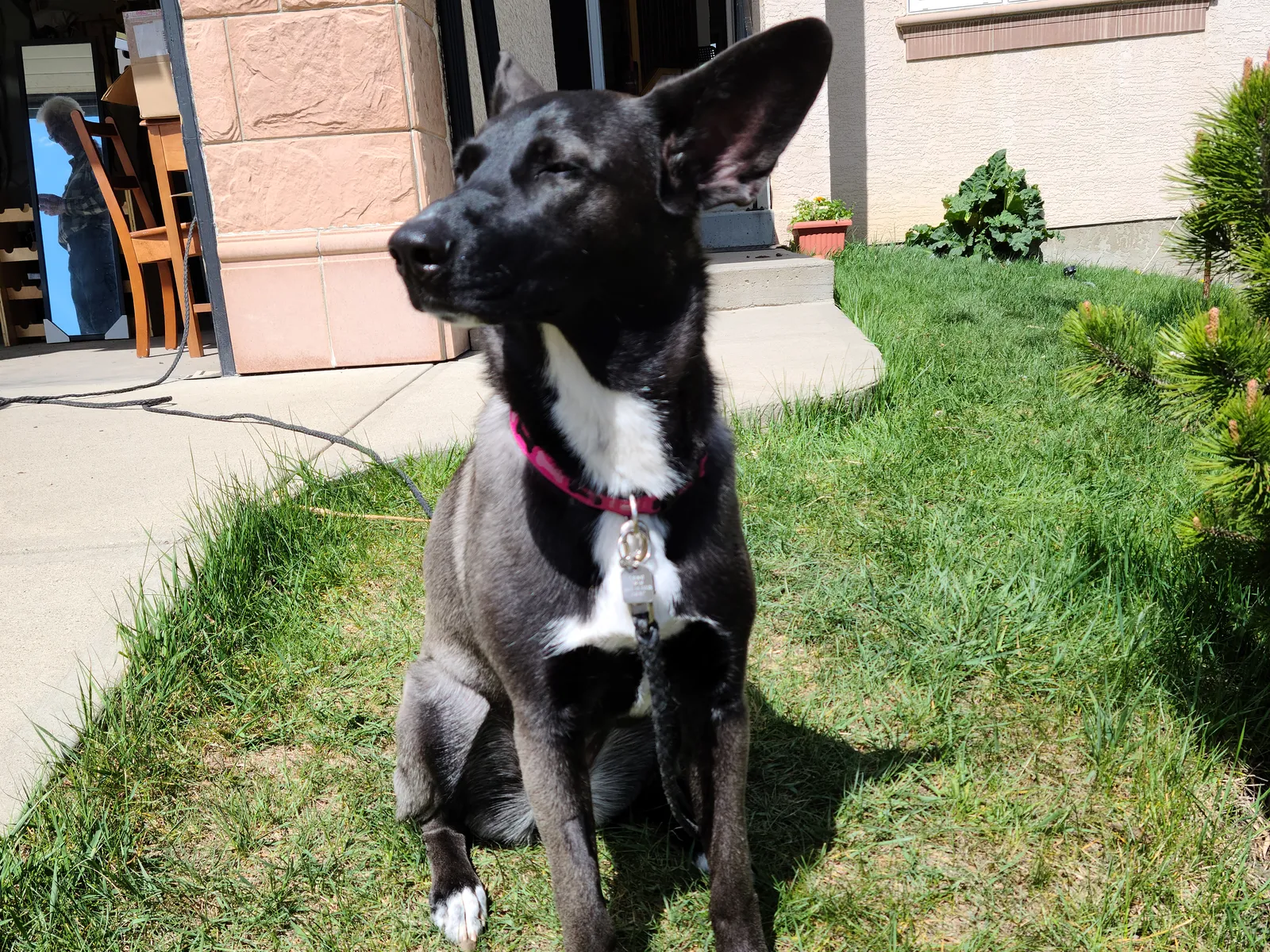
Don’t Take This Decision Lightly
We got Coco in September 2020 at 2 months old. Within the first week, it was clear this wasn’t going to be like any dog we’d owned before.
By the end of month one, she’d destroyed two crate pads, figured out how to open a latch gate, and learned sit, down, and shake. That’s the breed in a nutshell: destruction and intelligence in equal measure.
This isn’t a warning against getting a Malinois. It’s just a calibration of what you’re signing up for.
Months 1-3: Survival Mode
The puppy stage of a Malinois is intense in a way that internet videos don’t capture.
Sleep schedule: Coco needed to go out every 2-3 hours for the first month. We set alarms. It felt like having a newborn.
Bite inhibition: Malinois puppies bite. A lot. The nickname “maligator” exists for a reason. Redirecting to toys, teaching “out,” and yelping on hard bites took weeks of consistent work.
Crate training: Non-negotiable for this breed. Coco screamed for the first 3 nights. By night 5, she went in voluntarily. The crate became her safe space and still is.
Socialization window: Between 8-16 weeks, we exposed Coco to as many environments, sounds, surfaces, and people as possible. This period shapes the dog for life. We made it a daily priority.
Months 4-6: Testing
This is when most people start wondering what they got themselves into.
Around 4 months, Coco started testing boundaries. Commands she knew perfectly would suddenly be “forgotten.” She’d look directly at us while doing something she knew was wrong.
This is normal. They’re not being defiant. They’re measuring your consistency. Every correction you follow through on builds respect. Every time you let something slide, they notice.
What we learned in this phase:
- Structure matters more than affection. These dogs bond through work and routine, not cuddles.
- Keep training sessions short. 5-10 minutes, multiple times a day. Long sessions create frustration.
- Tired isn’t trained. Exercising a Malinois until it sleeps doesn’t replace actual training. You need both.
Months 7-9: Things Start Clicking
Somewhere around 7 months, it started coming together. Coco’s recall became reliable. Loose leash walking stopped being a wrestling match. She started anticipating commands before we gave them.
This is when the breed starts showing you why people put up with the first six months. The intelligence that made everything harder now becomes your biggest asset. Training accelerates because the dog is actively trying to figure out what you want.
We introduced swimming during this phase. Coco took to it after gradual exposure, and it quickly became our go-to exercise.
Months 10-12: Adolescence
Adolescence hits Malinois hard. Hormones, increased independence, and a body that’s almost full-grown with a brain that isn’t.
What to expect:
- Selective hearing. Recall in high-distraction environments may regress. Go back to long-line work.
- Reactivity spikes. Dogs that were previously neutral may start lunging or barking at other dogs. Address it immediately with counter-conditioning.
- Energy peaks. This is the maximum energy period. We were doing 45-minute exercise sessions plus swimming just to keep Coco manageable.
Five Things That Actually Helped
Looking back at Coco’s first year:
- A professional trainer from week one. Not a group class. One-on-one with someone who knows working breeds.
- A structured daily routine. Same wake time, same exercise blocks, same training slots. Malinois thrive on predictability.
- Two forms of exercise daily. One physical (swimming, running, fetch) and one mental (nose work, obedience drills, puzzle toys).
- The crate as a management tool. When you can’t supervise, the dog goes in the crate. This prevents bad habits from forming.
- Writing things down. We tracked what worked, what triggered bad behavior, and what exercise patterns produced the calmest evenings. Guessing doesn’t work with this breed.
Where We Ended Up
The first year with a Belgian Malinois is the hardest year of dog ownership you’ll have. It’s also the most rewarding if you’re willing to put in the work.
They’re not for everyone. They’re not even for most people. But for the right owner with the right lifestyle, there isn’t a better companion.
By month 12, Coco had gone from a screaming, crate-demolishing puppy to a dog that could swim across a lake, run trails off-leash, and settle calmly on a restaurant patio. That took structure, consistency, and roughly 2,000 training repetitions.
Frequently Asked Questions
Are Belgian Malinois good for first-time dog owners?
Honestly, no. They require experienced handling, structured training, and an active lifestyle. If this is your first dog, consider a less demanding breed. If you're committed, get a trainer before you get the dog.
How much exercise does a Malinois puppy need?
The rule of thumb is 5 minutes per month of age, twice daily. A 4-month-old gets two 20-minute sessions. This is structured exercise. Free play in a yard doesn't count toward this.
When do Malinois calm down?
Most owners report a noticeable shift around age 3. They never become 'calm' by normal dog standards, but the manic puppy energy matures into purposeful drive.
Coco's Human
Belgian Malinois owner since 2020