Harnesses vs Collars for Malinois: What Actually Works
After testing both for years, here's the honest take on harnesses vs collars for a strong, high-drive Malinois.
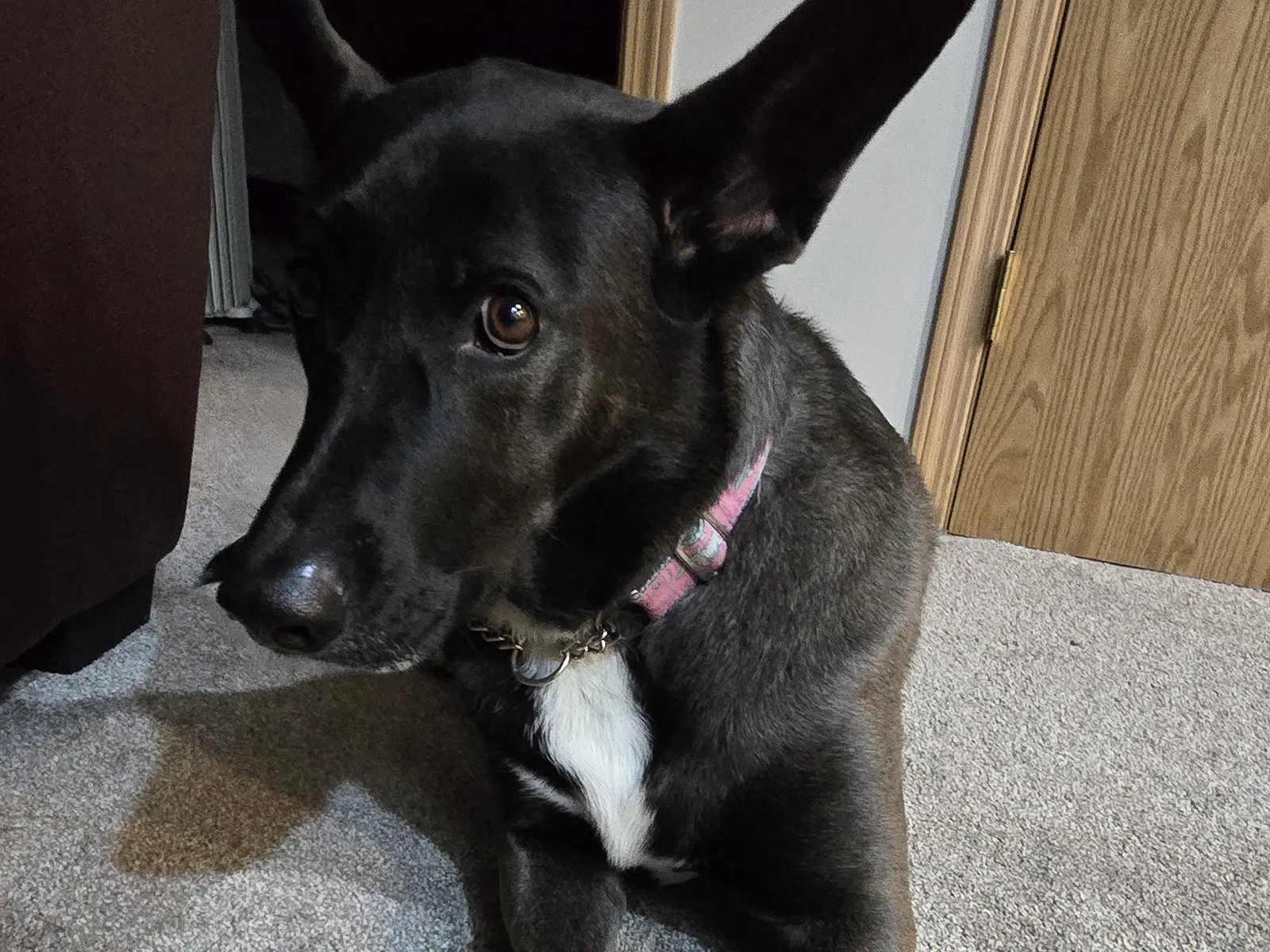
Choosing Between Harnesses and Collars for a Belgian Malinois
After raising a high-drive Belgian Malinois through multiple life stages, we’ve learned there’s no single perfect answer to the harness vs collar debate. Our photo library captures 65 walks across varied terrain, from urban sidewalks to snowy trails, and each environment demands different equipment considerations.
The Case for Harnesses
Control Without Compression
For a powerful breed like the Belgian Malinois (40-60 lbs for females, 60-80 lbs for males), harnesses offer crucial control without putting pressure on the throat. This becomes especially important during those inevitable moments when your Malinois spots something exciting.
When Harnesses Work Best
Based on our experience and documented walks, harnesses prove most valuable in:
- High-distraction environments
- Wet conditions (We’ve captured 76 river visits and 37 lake outings)
- Snow and ice (39 snow activities tracked)
- Early training phases
- Recovery periods after any throat irritation
Types of Harnesses We’ve Tested
Front-clip harnesses offer the most control for strong pullers, but they aren’t perfect. Back-clip models work well for trained dogs but provide less steering control. Y-shaped harnesses distribute pressure evenly but can be tricky to fit properly.
The Case for Collars
Simplicity and Control
Traditional collars remain popular for good reasons. They’re:
- Quick to put on and take off
- Less likely to tangle
- Often more comfortable in hot weather
- Easier to keep clean
When Collars Work Best
Through our documented walks (24 trail outings, 39 field photos), we’ve found collars excel in:
- Controlled environments
- Routine walks
- Warm weather
- Quick bathroom breaks
- Advanced training work
Making the Right Choice
Consider Your Dog’s Training Level
Our photo library shows Coco’s progression from puppy (128 documented moments) to adult (316 moments). Equipment needs changed dramatically during this time.
For puppies and young dogs still learning leash manners, a harness often provides better control and positive learning experiences. As training progresses, many Malinois can transition to collar walking.
Match Gear to Activity
Different activities require different tools. Looking at our setting data:
- Trail walks (24 documented): Harness preferred for varied terrain
- Urban walks: Collar works well once trained
- Water activities (113 combined river/lake photos): Harness essential
- Snow activities (39 documented): Harness for extra control
Safety Considerations
Fit Matters Most
Whether you choose a harness or collar, proper fit is crucial. A poorly fitted harness can cause chafing, while a loose collar poses safety risks.
Signs of good fit:
- Two fingers can slide under comfortably
- No rubbing at pressure points
- Dog maintains full range of motion
- No slipping or rotating during movement
When to Replace Equipment
Regular inspection is essential. Check for:
- Frayed material
- Damaged buckles or clips
- Stretched or warped sections
- Compromised stitching
Our Current Approach
We use both options situationally. Based on our documented walks and activities, we’ve found this combination works best:
- Harness: High-energy outings, water activities, snow days
- Collar: Daily walks in familiar areas, quick potty breaks, training sessions
Professional Input
While we’re sharing our direct experience with one Malinois, it’s worth consulting a professional trainer for personalized advice. Every dog responds differently, and what works for one might not work for another.
Bottom Line
Don’t get locked into thinking you must choose one or the other. Having both options available lets you adapt to different situations and activities. The best choice is the one that keeps your Malinois safe and comfortable while giving you adequate control.
Frequently Asked Questions
Won't using a harness teach my Malinois to pull more?
Not if fitted and used correctly. A properly fitted harness, combined with consistent training, shouldn't encourage pulling. If pulling increases, it's usually a training issue, not an equipment problem.
How often should I replace my Malinois's harness or collar?
Check gear monthly for wear and tear. With a strong breed like a Malinois, you'll typically need to replace equipment every 6-12 months depending on use. Don't wait for something to break.
Can I use the same harness for both walking and car safety?
While some harnesses are crash-tested for car safety, most walking harnesses aren't. We'd recommend getting a separate, certified car harness if you're planning to secure your dog in the car.
Coco's Human
Belgian Malinois owner since 2020