Leash Training a Malinois: From Pulling Machine to Loose Leash
A 60-pound Malinois that pulls is no joke. The progression from dragging you down the street to walking like a normal dog.
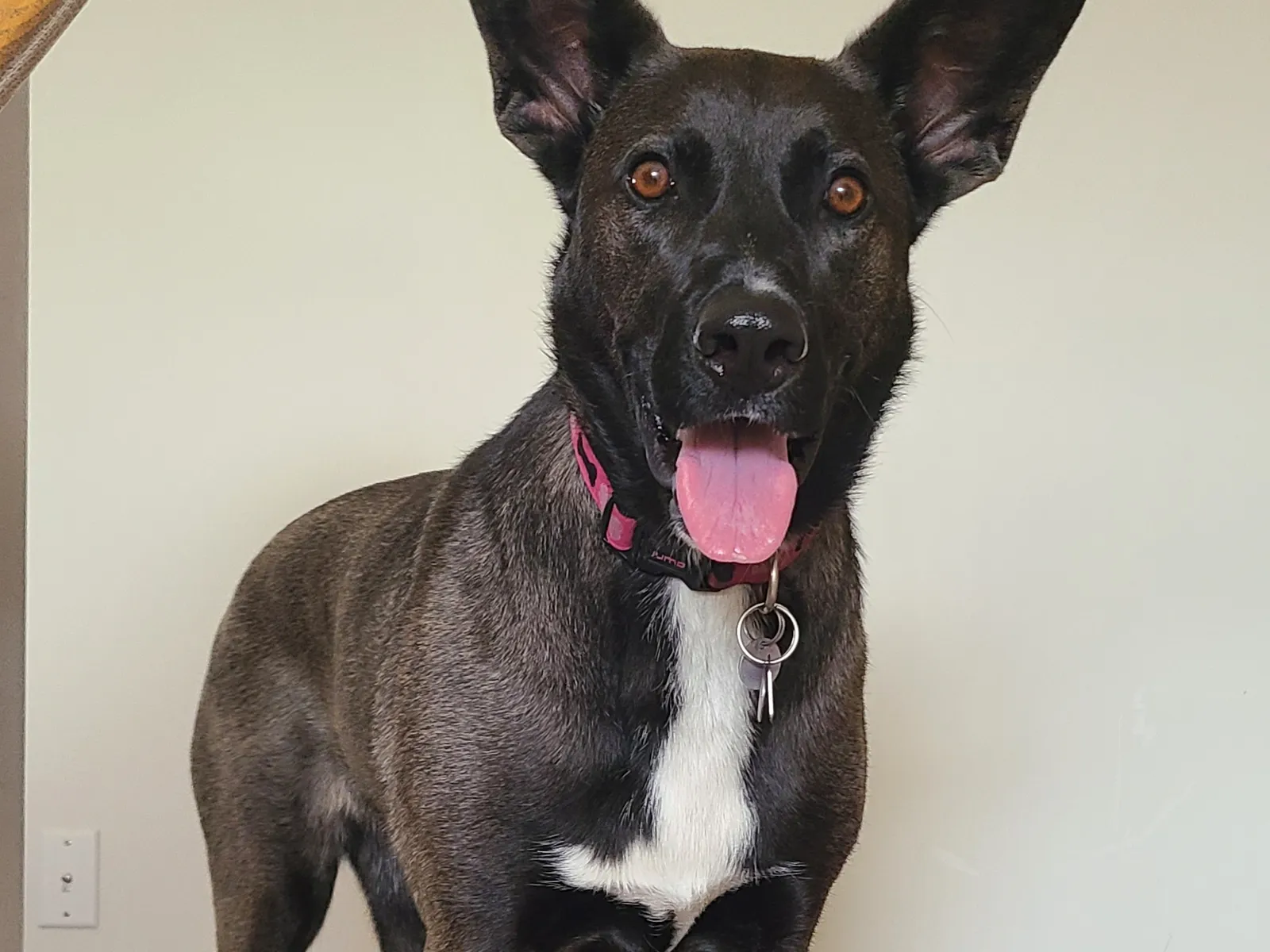
Starting Leash Training Early: The Foundation
Leash training a Belgian Malinois isn’t a quick weekend project. It’s a gradual process that requires consistency, patience, and the right tools. We started leash training Coco at 8 weeks old, focusing first on getting her comfortable with the equipment before tackling actual walking skills.
Our photo library shows the progression clearly: from those first tentative steps in the yard to confident walks on forest trails. Through 65 documented walks across various settings, we’ve learned what works and what doesn’t when teaching a Malinois to walk politely on leash.
Essential Equipment
Before diving into training methods, let’s talk about what you’ll need:
- A sturdy 6-foot leash (no retractable leashes)
- A properly fitted collar or harness
- High-value treats
- A treat pouch for easy access
- Comfortable walking shoes (you’ll need them)
Choosing Between Collar and Harness
For Coco, we found success with both options at different stages. A front-clip harness helped during the initial pulling phase, while a standard collar worked well once she understood loose leash concepts. Whatever you choose, proper fit is crucial.
The Training Progression
Phase 1: Indoor Basics (8-12 weeks)
Our earliest photos show Coco learning leash basics indoors, where distractions were minimal. This foundation phase included:
- Getting comfortable wearing the collar/harness
- Learning to follow without pressure
- Basic direction changes
- Stopping and starting on cue
Phase 2: Yard Work (12-16 weeks)
Moving to the yard introduced new challenges but kept things manageable. Our content library shows 31 yard photos where we worked on:
- Walking short distances
- Dealing with minor distractions
- Practicing turns and stops
- Reinforcing position beside us
Core Training Techniques
The Stop and Wait
When Coco pulled, we simply stopped moving. No jerking, no scolding. Just a calm stop until she returned to our side. This technique shows up clearly in our field and trail photos, where distractions often tested her skills.
Reward Zone
We established a “reward zone” beside our leg. Every time Coco chose to walk in this zone, she got treated. The frequency of rewards decreased as she improved, but the location stayed consistent.
Direction Changes
Unpredictable changes in direction kept Coco engaged and prevented her from fixating on distant distractions. Our trail photos show plenty of these training moments, with Coco learning to watch us rather than forge ahead.
Common Challenges
The Teenage Phase
Around 6-8 months, many Malinois go through a rebellious period. Our photos from this stage show more structured training sessions as we worked through:
- Increased pulling toward distractions
- Testing boundaries
- Selective listening
High-Energy Moments
Belgian Malinois have incredible drive and energy. Sometimes a regular walk isn’t enough to maintain focus. We incorporated:
- Training breaks during walks
- Mental stimulation games
- Brief sprints in appropriate areas
Advanced Skills
Once Coco mastered basic loose leash walking, we added complexity:
- Walking past other dogs calmly
- Navigating busy trails
- Maintaining position during sudden stops
- Walking on different surfaces
Building Duration
Our photo library shows a clear progression from short yard sessions to longer trail walks. We gradually increased:
- Distance walked
- Time spent walking
- Level of distractions
- Variety of environments
Tips for Success
- Start every walk with exercise in the yard to take the edge off
- Keep initial training sessions short (5-10 minutes)
- Use high-value treats at first, then vary rewards
- Be consistent with your expectations
- Always end on a positive note
When to Get Help
While we’ve had success with these methods, some cases need professional help. Consider working with a certified trainer if:
- Pulling is severe enough to risk injury
- Your Malinois shows reactivity to other dogs or people
- You’re not seeing progress after consistent work
- You need help with specific behavioral issues
Remember to choose a trainer who uses positive reinforcement methods and has experience with high-drive breeds like the Belgian Malinois.
Frequently Asked Questions
How long does it take to leash train a Belgian Malinois?
With consistent training, you'll see improvement within a few weeks, but expect 3-6 months for reliable loose leash walking. Every dog's different, and some may take longer depending on age, previous training, and consistency.
Should I use a prong collar for my pulling Malinois?
We don't recommend prong collars. Focus first on positive reinforcement methods, proper equipment fitting, and consistent training. If you're struggling, work with a certified trainer who can assess your specific situation.
What's the best age to start leash training a Malinois puppy?
Start as soon as you bring your puppy home, usually around 8 weeks. Begin with getting them comfortable wearing a collar and harness, then progress to indoor walking before moving outside.
Coco's Human
Belgian Malinois owner since 2020