Malinois and Other Dogs: Making Multi-Dog Households Work
Malinois can live with other dogs, but it takes management. Real experience with introductions, space sharing, and preventing conflicts.
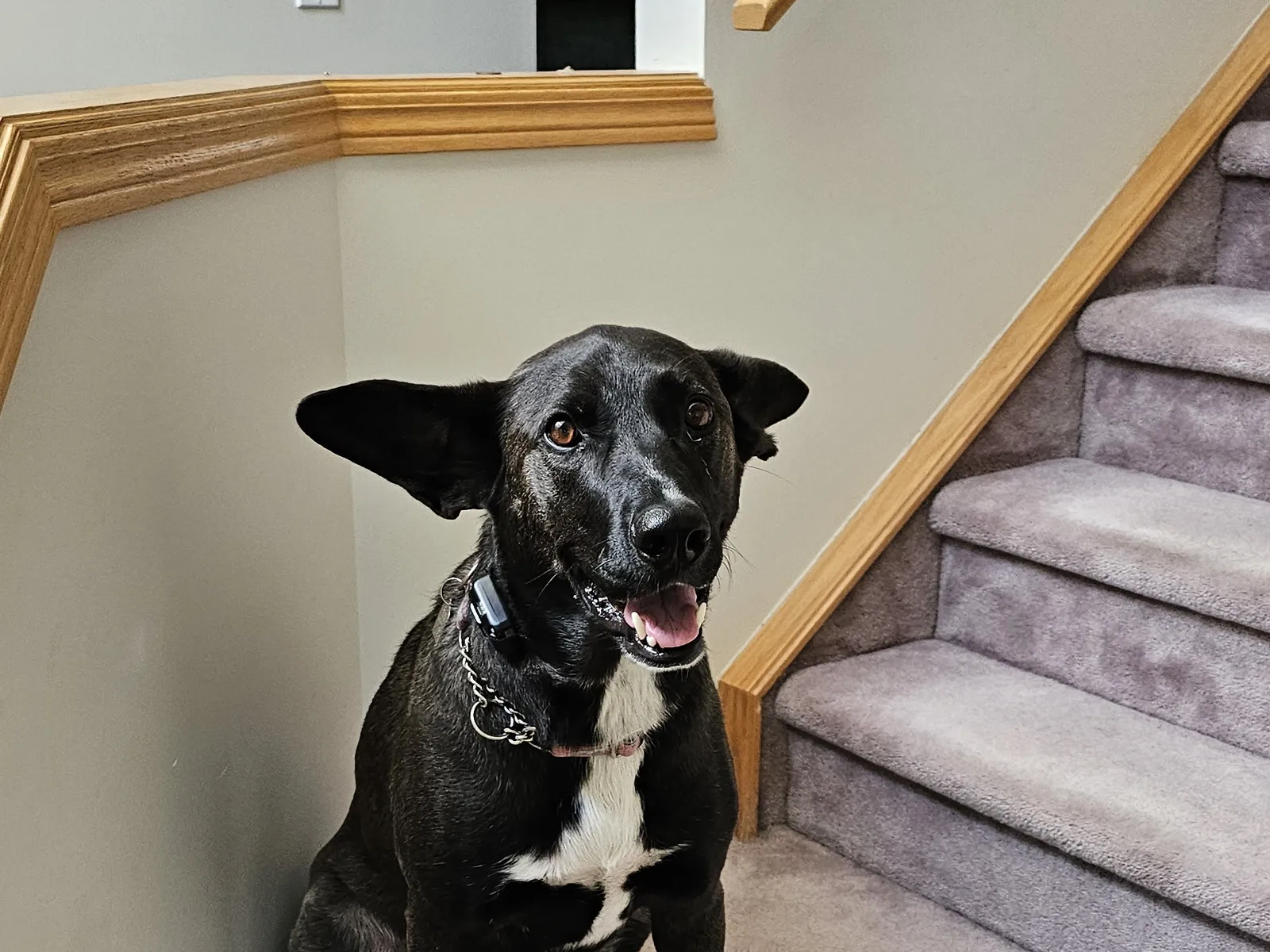
Living with a Malinois: The Reality of Multi-Dog Households
Belgian Malinois can absolutely live with other dogs, but success requires careful management and realistic expectations. While we’ve had extensive opportunities to observe Coco’s interactions with other dogs across various settings, from riverside romps to field play sessions, we’ll focus on what research and breed experts tell us about making multi-dog households work.
Understanding Malinois Social Nature
Belgian Malinois weren’t bred to be social butterflies. They’re working dogs with strong protective instincts and high drive. This doesn’t mean they can’t get along with other dogs, but it does mean we need to be thoughtful about introductions and ongoing management.
Early Socialization Matters
Our photo library shows Coco encountering other dogs across various settings from an early age:
- River areas (76 documented visits)
- Open fields (39 visits)
- Trail encounters (24 occasions)
These controlled exposures during puppyhood help build positive associations. But remember: socialization isn’t just about quantity. It’s about quality interactions in safe, controlled environments.
Setting Up for Success
Space Management
Malinois need their own space. Even in homes where they get along well with other dogs, having designated areas helps prevent tension:
- Separate feeding areas
- Multiple water stations
- Individual rest spaces
- Personal toy collections
Exercise Requirements
Based on our documentation of Coco’s activities, Malinois need varied physical outlets:
- Regular walks (65 recorded photos)
- Swimming opportunities (88 documented swims)
- Running space (28 captured running photos)
- Exploration time (50 exploring photos)
When living with multiple dogs, each dog needs their exercise needs met independently. Don’t assume they’ll tire each other out through play.
Managing Introductions
First Meetings
When introducing a Malinois to potential canine housemates, follow these guidelines:
- Choose neutral territory
- Keep both dogs leashed initially
- Watch body language carefully
- Allow gradual proximity
- Never force interactions
Common Mistakes to Avoid
- Rushing introductions
- Assuming all dogs will be friends
- Leaving new dogs unsupervised
- Feeding together immediately
- Sharing high-value toys from the start
Ongoing Management
Daily Routine
Structure helps multi-dog households thrive:
- Scheduled individual exercise
- Separate training sessions
- Monitored group time
- Independent rest periods
Warning Signs
Watch for:
- Resource guarding
- Tension around doorways
- Competitive behavior
- Changes in eating habits
- Excessive mounting or bullying
If you see these signs, consult a professional trainer immediately.
Training Considerations
Individual Focus
Our photo record shows varied training contexts across different environments:
- Field work (39 photos)
- Water training (76 river photos)
- Indoor practice (345 documented indoor moments)
Each dog needs dedicated training time. Don’t try to train multiple dogs simultaneously until they’ve mastered behaviors individually.
Group Skills
Essential commands for multi-dog households:
- Solid recall
- Place command
- Leave it
- Wait at doors
- Settle
When to Get Help
Always work with professionals when:
- Adding a new dog to your household
- Addressing emerging tension
- Dealing with resource guarding
- Managing high-drive behaviors
- Establishing pack structure
Health and Safety
Keep these safety measures in mind:
- Separate dogs when you’re not home
- Use crates or gates as needed
- Monitor play style compatibility
- Keep vet records current
- Have emergency plans ready
Remember to talk to your vet about any health concerns that might affect dog-dog interactions, including anxiety or pain that could impact behavior.
Building Success Over Time
Based on our documented experiences across various settings, successful integration takes time. Our photo library shows Coco’s progression from controlled puppy interactions to more complex social situations as she matured.
Don’t rush the process. Focus on building positive experiences and maintaining clear boundaries. With proper management and realistic expectations, Malinois can thrive in multi-dog households.
Frequently Asked Questions
Can Belgian Malinois live with small dogs?
Yes, Malinois can live with small dogs, but it requires careful supervision and training. Their high prey drive means they need proper introduction and management. We've seen successful partnerships, but you'll need to be extra vigilant about monitoring interactions.
How long should introductions between a Malinois and new dog take?
There's no fixed timeline. Each dog is different, but expect to spend at least 2-3 weeks on careful, controlled introductions. Don't rush it. Watch body language and let the dogs set the pace.
Should I separate my Malinois from other dogs during meals?
Yes, it's best to separate dogs during meals, especially when you're first establishing household routines. Even if they seem fine eating together, separate feeding prevents resource guarding and reduces stress.
Coco's Human
Belgian Malinois owner since 2020