Hip and Joint Health in Malinois: Prevention Starts at Puppyhood
Protecting your Malinois's joints starts before they're full grown. Screening, exercise choices, and what actually prevents problems.
Understanding Hip and Joint Health in Belgian Malinois
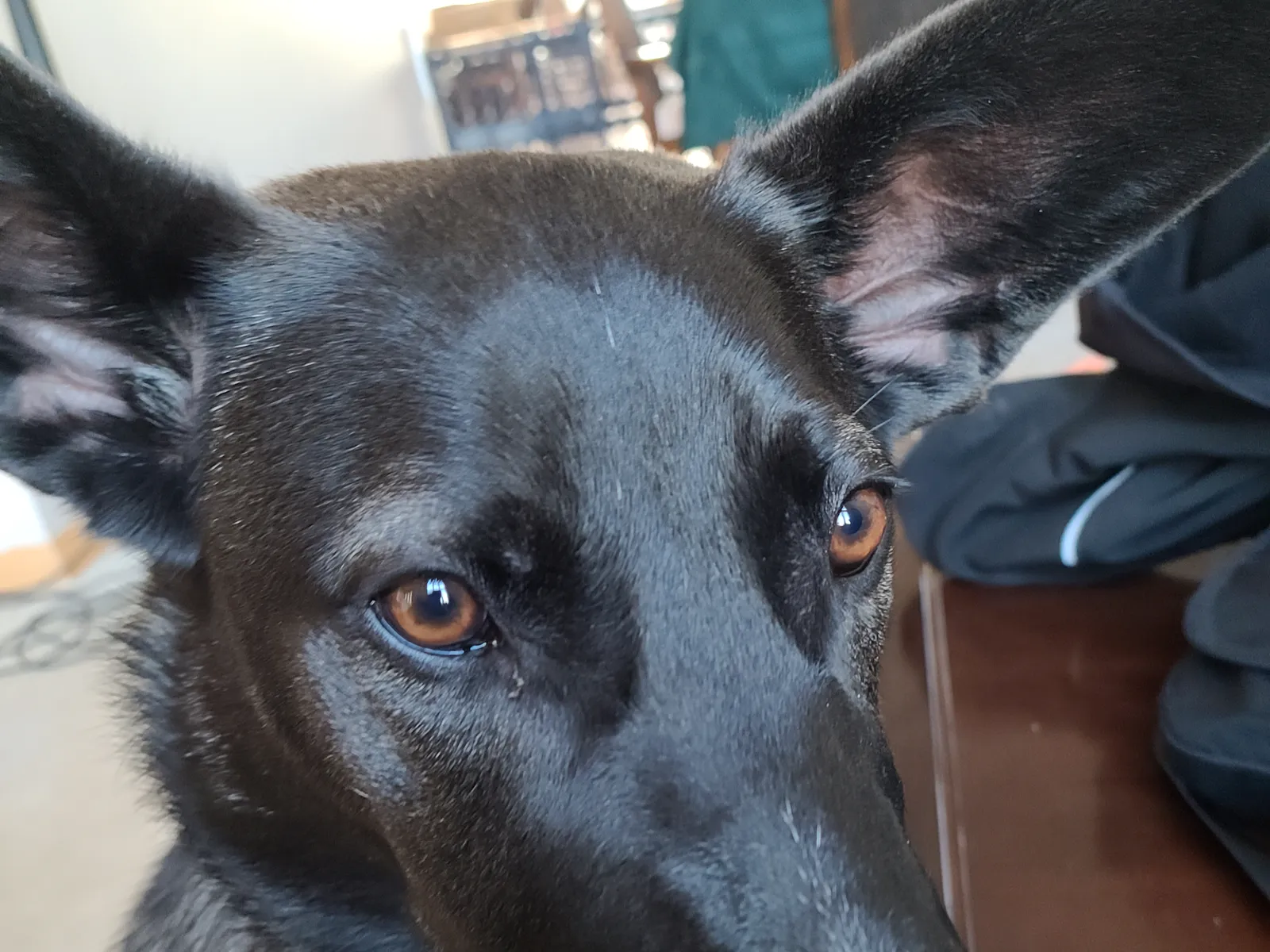
Joint health isn’t something you can fix later. For Belgian Malinois owners, preventing hip and joint problems needs to start the day your puppy comes home. We’ve learned this firsthand with our Malinois Coco, documenting her growth and exercise from 8 weeks through adulthood.
Why Joint Health Matters for Malinois
Belgian Malinois are athletic, high-drive dogs built for work. While they’re generally healthier than some other shepherd breeds, they can still develop hip and elbow dysplasia. These conditions affect their quality of life and can lead to:
- Limited mobility
- Chronic pain
- Reduced ability to exercise
- Early arthritis
- Expensive surgeries
Early Prevention Strategies
Appropriate Exercise
The right kind of exercise at the right age makes a huge difference. Our photo library shows Coco’s progression from careful puppy exercise to more intense adult activities.
Good puppy exercises include:
- Short walks
- Supervised free play
- Swimming (when old enough)
- Mental stimulation games
Avoid until growth plates close:
- Long runs
- Jump training
- Agility equipment
- Steep hiking
Swimming as Joint-Friendly Exercise
Swimming has been a cornerstone of Coco’s exercise routine. Our content library includes 88 swimming photos across various life stages, showing our commitment to low-impact exercise. Water provides resistance while removing stress from joints.
We started at lakes and rivers once she was fully vaccinated, always using a life jacket at first. Swimming now represents about 14% of her documented physical activities.
Nutrition for Joint Health
Proper nutrition during growth is crucial. While we can’t give specific feeding advice, here are research-backed guidelines:
- Feed puppy food specifically formulated for large breeds
- Don’t overfeed. Extra weight strains joints
- Consider joint supplements (ask your vet first)
- Maintain consistent portions
Environmental Considerations
Our photo library shows varied terrain exposure, with 345 indoor photos and 291 outdoor activities across different settings. This balance helps build strength while managing impact.
Safe surfaces include:
- Grass
- Packed dirt trails
- Sand
- Indoor flooring with grip
Limit time on:
- Concrete
- Asphalt
- Slippery floors
- Rocky terrain
Screening and Prevention
Health Testing
Regular vet checks are essential. Work with your vet to:
- Schedule hip and elbow evaluations
- Get x-rays at appropriate ages
- Discuss genetic testing options
- Monitor growth rate
Always talk to your vet about when to schedule these screenings. They’ll know what’s right for your dog’s age and development.
Warning Signs
Watch for early indicators of joint issues:
- Reluctance to jump or climb stairs
- Bunny hopping with back legs
- Stiffness after rest
- Changes in gait
- Decreased activity level
If you notice any of these signs, consult your vet immediately. Early intervention can make a huge difference.
Exercise Management Through Life Stages
Our documentation of Coco’s activities shows how exercise evolved:
Puppy (2-6 months):
- Short play sessions
- Basic training
- Gentle exploration
Young Dog (6-24 months):
- Increased duration of walks
- Supervised swimming
- More challenging terrain
Adult (2+ years):
- Full exercise capacity
- Regular swimming
- Varied activities
Long-term Joint Care
Prevention doesn’t stop after puppyhood. Our ongoing care includes:
- Regular vet check-ups
- Maintaining healthy weight
- Low-impact exercise options
- Appropriate warm-up before activity
- Rest days between intense exercise
Remember that every dog is different. What works for one might not work for another. Always consult your vet for personalized advice about your Malinois’s joint health needs.
Frequently Asked Questions
When should I start hip dysplasia screening for my Malinois puppy?
Talk to your vet about preliminary screenings around 6 months old, but official OFA evaluations aren't done until 2 years of age when growth plates are closed.
Is swimming good exercise for Malinois puppies?
Yes, once they're fully vaccinated. We've found swimming to be excellent low-impact exercise, but start gradually and always use a life jacket at first.
How can I tell if my Malinois has joint problems?
Watch for changes in movement like reluctance to jump, stiffness after rest, or bunny-hopping with back legs. If you notice any of these, don't wait: get your vet's opinion right away.
Coco's Human
Belgian Malinois owner since 2020