Separation Anxiety in Malinois: Prevention and Management
Malinois bond hard. When that bond creates panic at being alone, here's what actually helps, from gradual training to daily structure.
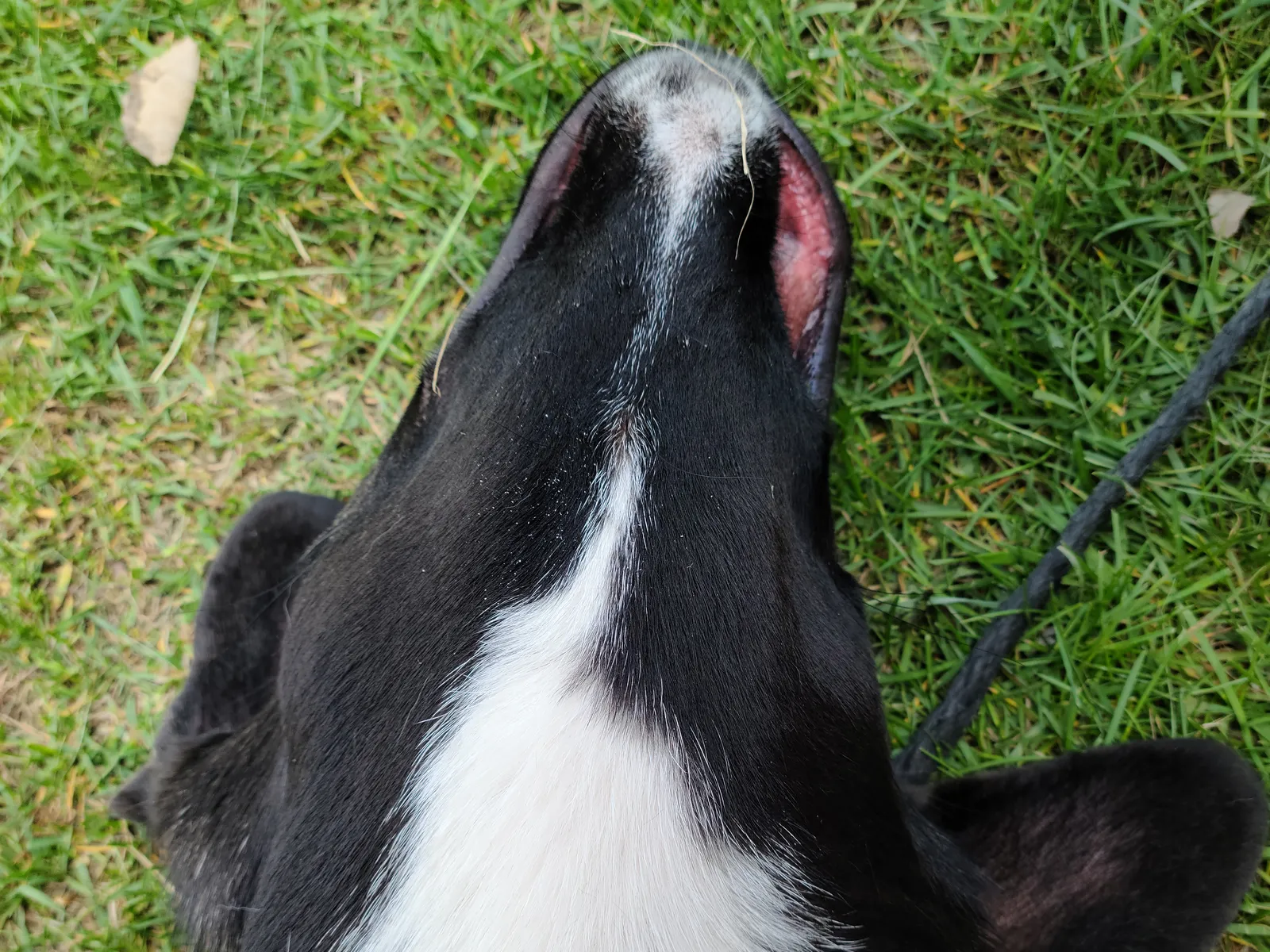
Understanding Separation Anxiety in Belgian Malinois
Belgian Malinois separation anxiety isn’t just a behavior issue, it’s a genuine distress response that needs careful management. We’ve learned this firsthand with our Malinois, Coco, through both the challenges and successes of teaching her to be comfortable alone.
What Is Separation Anxiety?
Separation anxiety goes beyond simple boredom or attention-seeking. It’s a panic response that can trigger when a dog’s bonded person leaves. Belgian Malinois are particularly prone to this because they form intensely close bonds with their people.
Common signs include:
- Excessive barking or howling when left alone
- Destructive behavior, especially near exits
- Intense pacing
- Drooling more than usual
- Trying to escape
- House training accidents despite being well trained
Prevention Starts Early
The best approach to separation anxiety is preventing it from developing. In our photo library tracking Coco’s early months, we can see the progression of alone-time training through 345 indoor settings, starting from her first days home.
Gradual Independence Training
Start with micro-separations:
- Step into another room for a few seconds
- Return before any distress
- Gradually increase duration
- Vary your exit and entry points
Create Positive Associations
We found success making alone time positive:
- Special toys only available during separation
- Comfortable rest areas (our library shows 256 instances of successful resting behavior)
- Background noise like TV or radio
- Safe spaces like crates or dedicated rooms
Building a Daily Structure
Exercise Before Alone Time
A tired Malinois is more likely to rest calmly. Our content library shows extensive activity patterns including:
- Regular walks
- Swimming sessions
- Play sessions
- Training time
But remember: physical exercise alone won’t cure separation anxiety. Mental stimulation and proper anxiety management techniques are crucial.
Consistent Routine
Malinois thrive on predictability. Based on our experience with Coco, we’ve found these routine elements help:
- Regular meal times
- Scheduled exercise
- Consistent wake and sleep times
- Predictable alone periods
Management Strategies That Work
Safe Space Setup
Our indoor photo collection (345 items) shows how we’ve created comfortable spaces for Coco:
- Temperature control
- Comfortable bedding
- Access to water
- Safe toys
- Visual barriers where needed
Gradual Duration Building
Start with short periods and build up slowly:
- 5 minutes
- 15 minutes
- 30 minutes
- 1 hour
- Several hours
Track progress but don’t rush. Some dogs need weeks or months to build confidence.
When to Get Professional Help
While many mild cases can be managed with consistent training, some situations need professional support. Contact a veterinary behaviorist if you see:
- Self-injury attempts
- Severe destruction
- Extreme panic symptoms
- No improvement with basic training
Always talk to your vet first to rule out medical issues that might contribute to anxiety.
The Role of Exercise and Mental Stimulation
Physical exercise matters, but mental work is just as important. Our photo library shows a mix of:
- Physical exercise (walking, swimming)
- Rest periods (256 documented instances)
- Exploration time
- Training sessions
This balance helps create a dog who can settle when alone.
Medication and Natural Aids
Never start any anxiety treatment without consulting your vet. They might recommend:
- Behavioral medications
- Natural supplements
- Anxiety wraps
- Pheromone products
What works varies by dog, and your vet can help create the right plan for yours.
Common Mistakes to Avoid
- Punishing anxiety behaviors
- Leaving for long periods without building up
- Skipping the prevention work with puppies
- Making departures and arrivals dramatic
- Feeling guilty about leaving
Moving Forward
Success with separation anxiety takes time and consistency. Our photo library shows Coco’s progression from early puppy days (25 baby-stage photos) through to confident adult behaviors, documenting the gradual building of independence through consistent training.
Remember that every dog progresses at their own pace. Work with your vet and, if needed, a professional trainer to develop the right approach for your Malinois.
Frequently Asked Questions
How long can a Belgian Malinois be left alone?
Adult Malinois who've been properly trained can handle 4-8 hours alone, but they'll need a solid exercise session first and shouldn't be left this long regularly. Start with shorter periods and build up gradually.
Will getting another dog fix my Malinois's separation anxiety?
Adding another dog rarely solves separation anxiety because it's about the bond with human family members, not just companionship. Work on the underlying anxiety first.
Should I crate my anxious Malinois when I leave?
It depends on your dog's relationship with the crate. If they're properly crate trained and see it as a safe space, it can help. But if they're not comfortable in the crate, it could make anxiety worse. Talk to your vet about what's best for your situation.
Coco's Human
Belgian Malinois owner since 2020