Why Harsh Training Methods Backfire with Malinois
Malinois are sensitive under the tough exterior. Why punishment-based training creates worse problems and what to do instead.
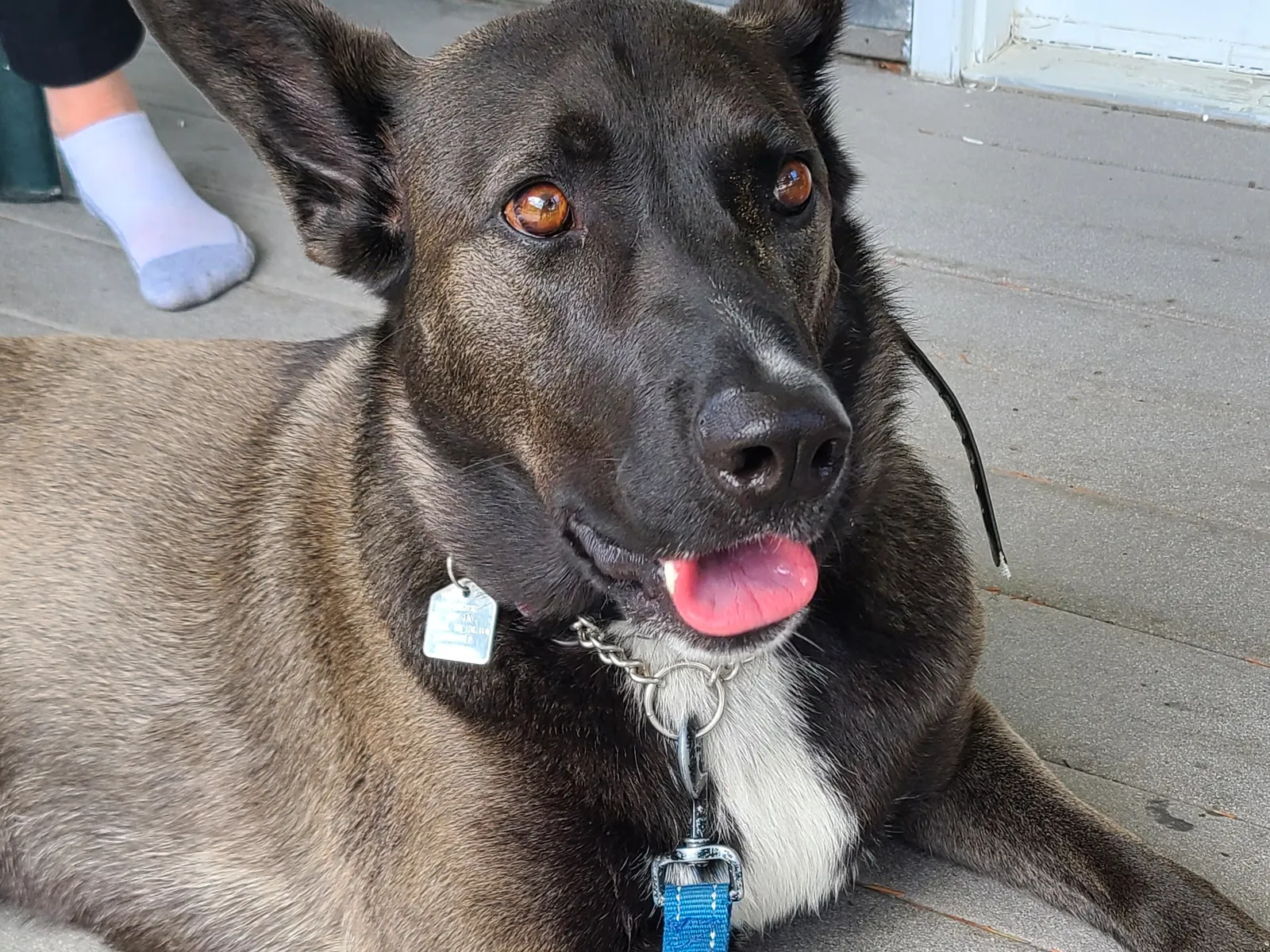
Why Positive Reinforcement Works Best for Belgian Malinois
Belgian Malinois have a reputation as tough, driven working dogs. But beneath that intense exterior lies a sensitive, intelligent breed that responds poorly to harsh training methods. We’ve learned this firsthand raising our Malinois, Coco, using positive reinforcement from puppyhood through adulthood.
Understanding Malinois Sensitivity
Despite their strong working drive and seemingly bulletproof confidence, Malinois are remarkably sensitive dogs. This sensitivity shows up in two key ways:
Emotional Sensitivity
Malinois form deep bonds with their handlers and are highly attuned to our emotions. They pick up on subtle changes in tone, body language, and mood. This emotional awareness makes them excellent working partners but also vulnerable to harsh corrections.
Environmental Sensitivity
Our photo library of 636 moments with Coco shows her engaging confidently across varied environments, from indoor spaces to rivers, forests, and mountains. This adaptability comes from building positive associations, not from being forced to “tough it out.”
Why Punishment-Based Methods Fail
Harsh training methods create several problems with Malinois:
Damaged Trust
Punishment damages the handler-dog relationship. We’ve built our bond with Coco through positive experiences, documented across multiple life stages from puppy to adult. That trust shows in her willingness to engage in new activities and environments.
Increased Anxiety
Harsh corrections can make a Malinois more reactive, not less. They’re already naturally alert dogs. Adding punishment creates anxiety that can manifest as:
- Defensive aggression
- Stress-related behaviors
- Shutdown or avoidance
- Increased reactivity
Suppressed Warning Signs
Punishment often suppresses warning signs without addressing the underlying emotion. This creates a more dangerous situation where a dog may skip subtle signals and go straight to serious reactions.
Better Training Approaches
Focus on Reinforcement
Our experience with Coco proves positive methods work. Our content library shows sustained engagement across:
- 88 swimming photos
- 65 structured walks
- 50 exploring adventures
- 27 play photos
These activities demonstrate willing participation without force or punishment.
Build Environmental Confidence
Our photo record shows Coco confidently navigating:
- Indoor spaces (345 instances)
- Water environments (113 combined river/lake photos)
- Various outdoor settings (field, forest, mountains)
This confidence comes from positive exposure and letting her set the pace.
Use Natural Consequences
Instead of punishment, let natural consequences teach lessons:
- If they pull on leash, forward movement stops
- If they get too rough in play, the fun ends
- If they jump on people, attention goes away
Creating Success with Positive Methods
Start Early
We began positive reinforcement with Coco as a puppy. Our photo library includes:
- 25 baby stage moments
- 128 puppy stage photos
- 147 young dog instances
- 316 adult documentation points
This progression shows how early positive experiences build lasting good behavior.
Be Consistent
Consistency matters more than correction. Our photo library shows regular engagement across multiple settings, building reliable behaviors through repetition and reward.
Focus on What You Want
Instead of punishing unwanted behavior:
- Reward calm greetings
- Reinforce loose leash walking
- Celebrate quiet settling
- Praise appropriate play
When to Get Help
While positive methods work well, some situations need professional guidance. Contact a force-free trainer if you’re dealing with:
- Serious behavioral issues
- Aggression
- Severe anxiety
- Resource guarding
Always consult your veterinarian to rule out medical causes for behavior changes.
Moving Forward
Our documentation of Coco’s development from puppy to adult proves positive reinforcement works with Malinois. The key is understanding their sensitivity while respecting their working drive. Build trust through positive experiences, and you’ll create a confident, capable partner without using force.
Frequently Asked Questions
Won't positive-only training make my Malinois soft?
No. Our Malinois Coco's engagement in challenging activities like swimming and hiking shows positive methods build confidence, not weakness. It's about teaching what to do, not just what not to do.
What if my Malinois isn't food motivated?
Every dog needs to eat. If your Malinois isn't taking treats, they're likely over threshold or stressed. Lower the difficulty, use higher value rewards, or try non-food reinforcers like toys or play.
How long does positive reinforcement training take?
It's not slower than punishment-based methods. Our photo library shows consistent progress from puppy to adult stages. The difference is you're building lasting behaviors based on understanding, not fear.
Coco's Human
Belgian Malinois owner since 2020