Seasonal Allergies in Malinois: Signs, Triggers and Management
If your Malinois itches, chews paws, or gets ear infections seasonally, it's probably allergies. How to identify triggers and manage symptoms.
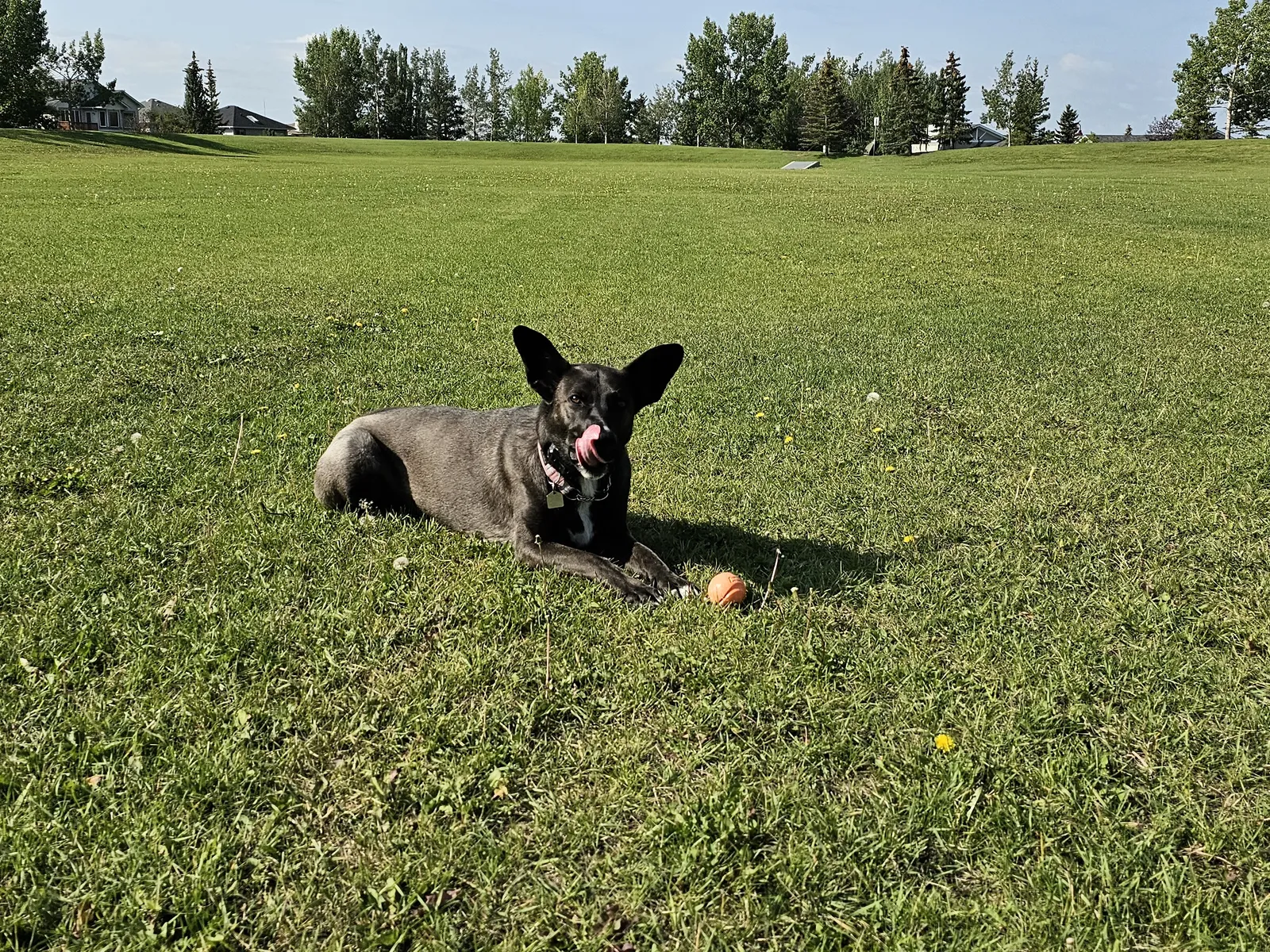
Understanding Seasonal Allergies in Belgian Malinois
Like humans, dogs can suffer from seasonal allergies, and Belgian Malinois aren’t exempt. Our experience with Coco and extensive research into canine allergies has taught us that recognizing the signs early makes management much easier. While we’re not veterinarians, we’ve learned to spot patterns in how seasonal changes affect our Malinois.
Common Signs of Seasonal Allergies
Physical Symptoms
- Excessive scratching or licking
- Red, irritated skin
- Chewing on paws
- Rubbing face on furniture or carpet
- Ear infections
- Watery eyes
- Sneezing more than usual
Behavioral Changes
- Increased restlessness
- Irritability
- Changes in activity level
- Avoiding certain outdoor areas
When Allergies Strike
In our photo library spanning different seasons, we’ve noticed patterns in Coco’s outdoor activities. Out of 636 documented moments, 152 are in allergy-prone settings like fields (39), rivers (76), and lakes (37). These environments often contain common allergens like:
- Pollen from trees and grass
- Mold spores
- Dust
- Ragweed
Spring and fall typically bring the highest pollen counts. During these seasons, we’ve adapted our outdoor routines to minimize exposure while maintaining exercise.
Identifying Triggers
Keep a Simple Log
Track when symptoms appear and what environments might be triggering them. Our photo library helps us correlate activities with potential allergen exposure. For instance, we can see that field activities (39 documented instances) often coincide with peak pollen seasons.
Common Environmental Triggers
- Grass (especially when freshly cut)
- Tree pollen
- Weed pollen
- Dust mites
- Mold (particularly near water)
Managing Symptoms
Talk to Your Vet First
Before trying any treatments, always consult your veterinarian. They can:
- Perform proper allergy testing
- Rule out other conditions
- Recommend appropriate medications
- Suggest safe supplements
Environmental Management
Based on our experience with outdoor activities (documented across various settings), here’s what helps:
- Timing Matters
- Exercise early morning or evening when pollen counts are lower
- Avoid peak pollen hours (usually 10 AM to 4 PM)
- Check local pollen forecasts
- Location Choices Our photo library shows diverse settings for activities:
- Rivers and lakes (113 documented visits) can offer cleaner air
- Paved trails instead of grassy areas during peak seasons
- Indoor alternatives when needed (345 indoor photos show plenty of indoor activity options)
- Post-Activity Care
- Wipe down your dog after outdoor activities
- Regular bathing (frequency based on vet recommendations)
- Keep indoor air clean with HEPA filters
Natural Support Methods
While medication might be necessary (always with vet guidance), several natural approaches can help:
Diet Considerations
- Omega-3 fatty acids (ask your vet for dosing)
- Proper hydration (we’ve documented regular water breaks during activities)
- Quality protein sources
Physical Relief
- Regular brushing to remove allergens
- Cool baths with vet-approved shampoo
- Clean bedding frequently
Prevention Strategies
Our experience with Coco in various environments (documented across 14 different settings) has taught us several prevention strategies:
-
Maintain Regular Exercise Despite allergies, exercise remains crucial. Our library shows 88 swimming photos and numerous walks, proving you can stay active while managing allergies.
-
Indoor Air Quality
- Regular vacuuming
- Air purifiers in main living areas
- Washing dog beds weekly
- Yard Management
- Keep grass short but not freshly cut when your dog’s outside
- Remove common allergenic weeds
- Create low-allergen zones for play
When to See a Vet
Contact your veterinarian immediately if you notice:
- Excessive scratching leading to skin damage
- Loss of fur
- Changes in appetite or behavior
- Signs of ear infections
- Persistent coughing or wheezing
Remember that while we can share our experience, every dog is different. What works for one might not work for another, which is why veterinary guidance is essential for creating an effective allergy management plan.
Frequently Asked Questions
How can I tell if my Malinois has seasonal allergies or food allergies?
Seasonal allergies typically come and go with specific seasons and often improve with antihistamines, while food allergies persist year-round. However, you'll need your vet to do proper testing to know for sure.
Can I give my Malinois human antihistamines?
Never give any human medications without consulting your vet first. While some antihistamines are safe for dogs, the dosage is critical and varies by weight and other factors.
Will my Malinois outgrow seasonal allergies?
Probably not. Seasonal allergies typically don't go away on their own, but they can be managed effectively with the right treatment plan from your vet.
Coco's Human
Belgian Malinois owner since 2020