Fetch with a Malinois: Teaching, Managing and Avoiding Obsession
Fetch is easy to start and hard to stop with a Malinois. Teaching a healthy fetch habit without creating ball obsession.
Teaching Your Dog to Fetch: A Malinois Perspective
Teaching a dog to fetch seems simple enough: throw ball, dog brings it back. But with a Belgian Malinois, there’s more to consider. We’ve learned through raising Coco that fetch isn’t just about the game, it’s about managing drive and preventing obsession while still providing needed exercise.
Why Fetch Works for Malinois
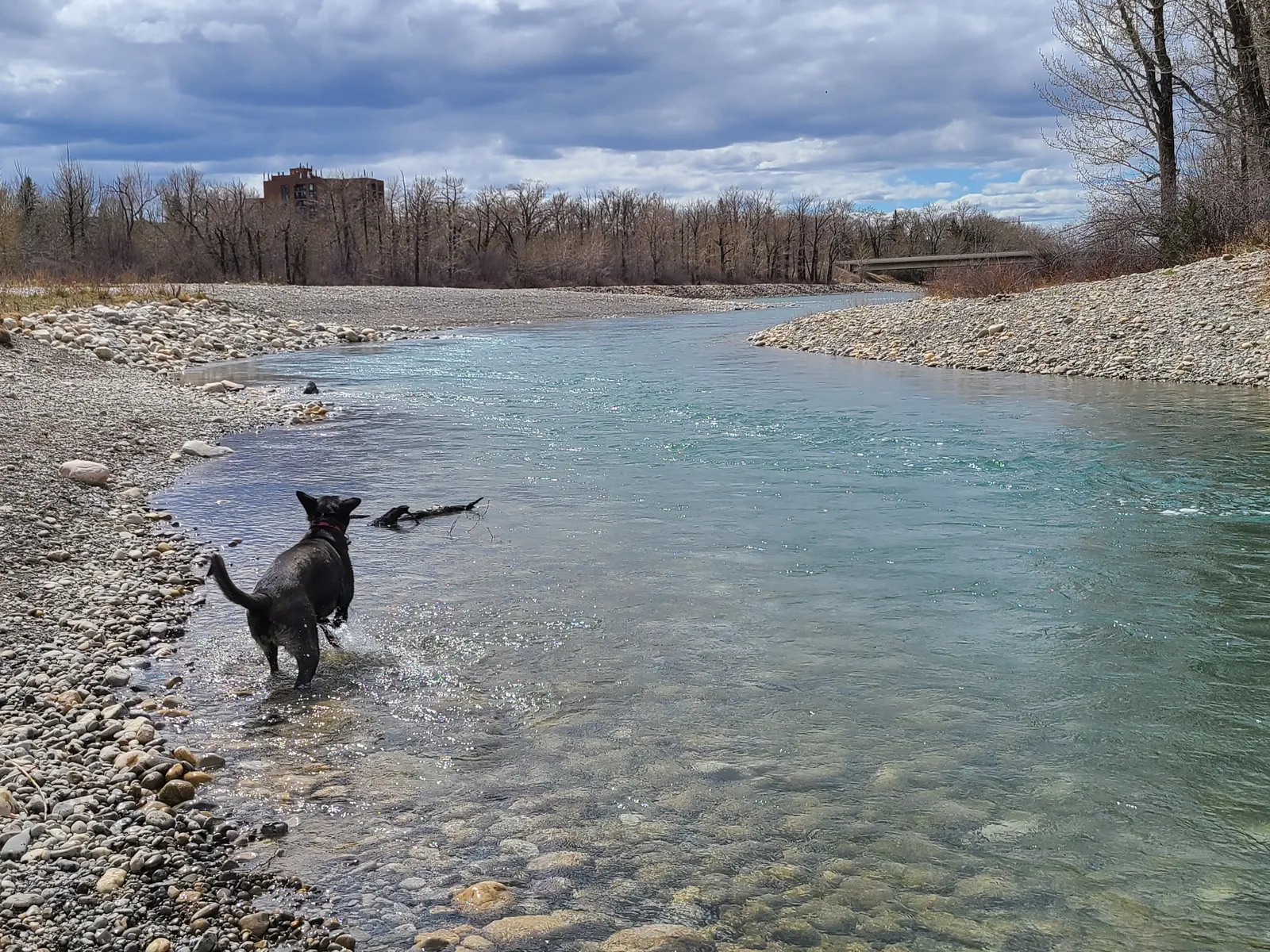
Belgian Malinois are working dogs with intense drive and energy. Fetch taps into their natural instincts to chase, grab, and return to their handler. Our photo library shows Coco spending significant time in open fields (39 documented photos), with playing and running making up a notable portion of her activities.
But there’s a catch: Malinois can become fixated on fetch to an unhealthy degree. The goal is to make fetch a fun activity, not their entire world.
Starting Fetch Training
Choose the Right Space
Start in a controlled environment. While our records show most of Coco’s fetch sessions happened in open fields (19 play photos documented), we began indoors (9 indoor play photos recorded) where distractions were minimal.
Pick Appropriate Toys
For a Malinois puppy, consider:
- Tennis balls (but supervise to prevent chewing)
- Soft rubber balls
- Rope toys
- Frisbees (when older)
Never use sticks. They can splinter and cause serious injury. If your dog shows any toy aggression, consult a professional trainer immediately.
Building Good Fetch Habits
The Basic Sequence
- Show the toy and build excitement
- Throw short distances first
- Praise when they follow the toy
- Reward the return and release
Our photo evidence shows Coco’s progression from short indoor tosses to longer field runs, with 13 documented play photos showing proper fetch behavior.
Teaching “Drop It”
This is crucial for Malinois. Based on our research and experience with Coco:
- Use two identical toys
- Trade up with higher value rewards
- Never chase your dog for the toy
- Keep sessions short at first
Managing Drive and Preventing Obsession
Watch for Warning Signs
Your Malinois might be too fixated if they:
- Ignore food or rest for fetch
- Bark constantly at toy storage areas
- Can’t relax when toys are visible
- Show aggressive toy guarding
Setting Boundaries
We’ve established clear rules with Coco:
- Toys are put away after play
- No fetch inside the house
- Sessions have clear start and end signals
- Regular breaks are non-negotiable
Exercise Balance
Fetch shouldn’t be your only exercise option. Our photo library show Coco engaging in:
- Swimming (88 documented photos)
- Walking (65 photos)
- Exploring (50 photos)
- Running (28 photos)
This variety helps prevent both physical and mental burnout.
Creating Structure
Session Length
Keep fetch sessions controlled:
- 10-15 minutes for puppies
- 15-30 minutes for adults
- Always stop before your dog wants to
Cool Down Period
After intense fetch sessions, we’ve found success with:
- Walking perimeter laps
- Simple obedience work
- Quiet time before going inside
Health Considerations
Always check with your vet before starting an intense exercise routine, especially with puppies. Watch for:
- Signs of joint stress
- Overheating
- Excessive panting
- Limping or soreness
Surface Matters
Our field sessions (39 documented) provide good traction without too much impact. Avoid:
- Concrete or asphalt
- Slippery surfaces
- Deep mud
- Sharp rocks
Alternative Games
Don’t let fetch become the only way to play. Mix in:
- Find it games
- Tug (with rules)
- Nose work
- Training games
When to Get Help
If your Malinois develops unhealthy fetch obsession, don’t wait to get professional help. A qualified trainer can help you:
- Reset boundaries
- Establish new patterns
- Create alternative outlets
- Address any underlying anxiety
Remember, every dog is different. What works for one might not work for another. Always adjust your approach based on your dog’s specific needs and energy level.
Frequently Asked Questions
How long should fetch sessions last with a Malinois?
For adult Malinois, keep sessions to 15-30 minutes. Puppies should play for shorter periods, around 10-15 minutes. Always stop before your dog's too tired, and watch for signs they need a break.
Should I let my Malinois keep toys out all the time?
No, it's best to put toys away between play sessions. This helps prevent obsessive behaviors and makes the toys special when they do come out. We store Coco's fetch toys where she can't see them.
What's the best age to start fetch training with a Malinois puppy?
You can start basic fetch games around 3-4 months old, but keep sessions very short and low-impact to protect growing joints. Don't start intense fetch sessions until your vet confirms your pup's growth plates have closed.
Coco's Human
Belgian Malinois owner since 2020