Why Malinois End Up in Rescue (And How to Avoid Being That Owner)
Malinois are one of the most surrendered breeds. The patterns that lead to rescue and what separates successful owners from those who give up.
Why Belgian Malinois End Up in Rescue
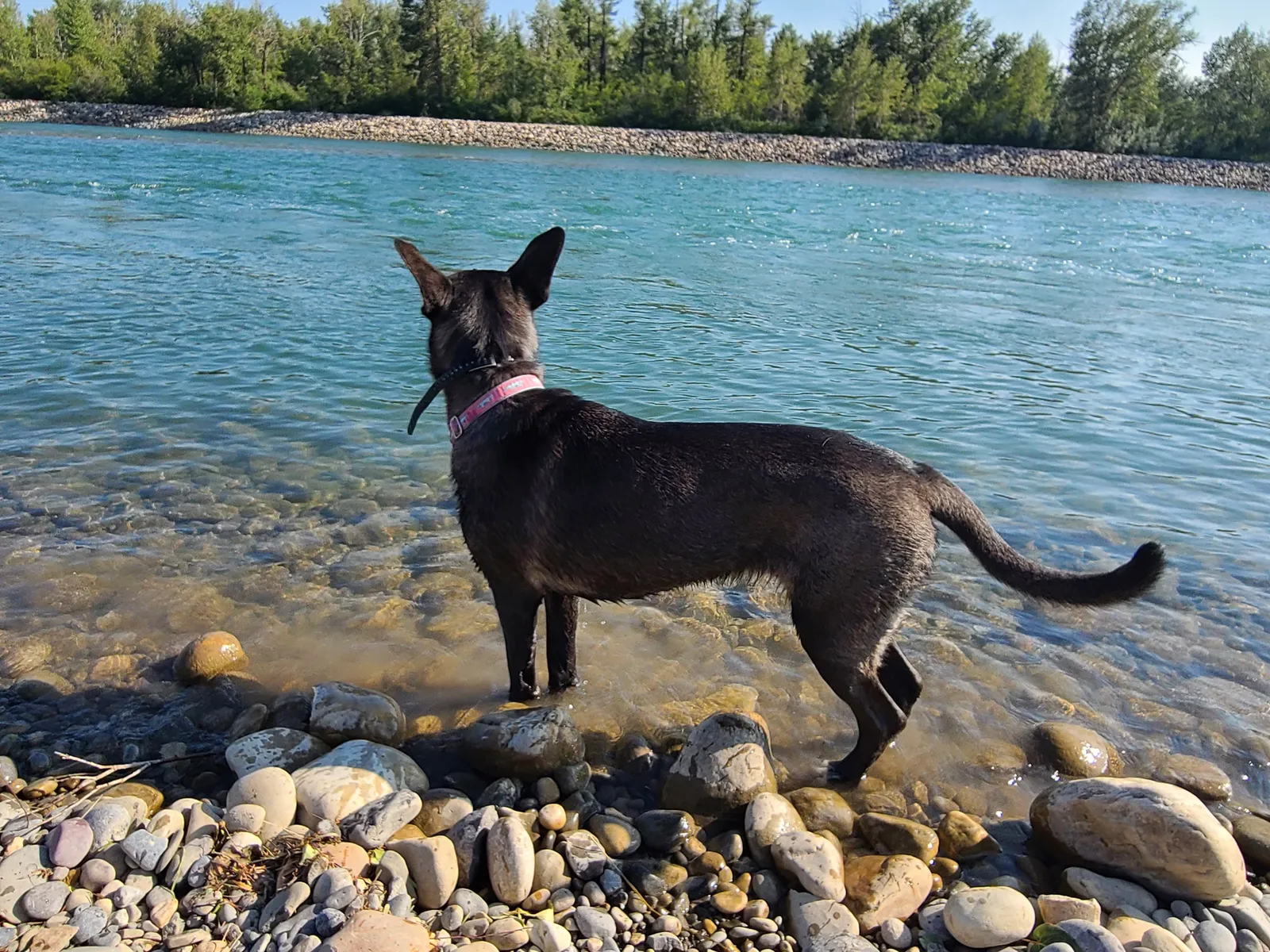
Belgian Malinois rescues are overflowing, and it’s not because these dogs are inherently problematic. After raising our Malinois Coco for over 4 years and documenting 636 moments of her life, we’ve learned firsthand what makes the difference between a successful Malinois home and one that ends in surrender.
The Reality Check: What You’re Getting Into
A Belgian Malinois isn’t just an active dog. They’re working dogs with intense physical and mental needs. Across our photo library spanning Coco’s life, we’ve captured:
- 88 swimming photos
- 65 dedicated walks
- 28 running activities
- 27 structured play photos
And that’s just what we photographed. The actual exercise requirements are much higher. This level of activity isn’t optional, it’s mandatory for a balanced Malinois.
Time Investment
The biggest shock for unprepared owners isn’t the exercise, it’s the time commitment. Our content library shows Coco in:
- 14 different environments
- 15 distinct activities
- Multiple training and enrichment scenarios
This variety isn’t accidental. It takes planning and dedication to provide the mental stimulation these dogs need. When we’re not actively exercising or training, we’re planning the next activity or preparing enrichment.
Common Surrender Reasons
”Too Much Energy”
This is the number one reason Malinois end up in rescue, but it’s really code for “I wasn’t prepared for this level of commitment.” Looking at our photo library, even with regular swimming, running, and walking, Coco still needs additional outlets. The 256 “resting” photos in our library didn’t happen by chance. They’re the result of consistent, structured activity.
Behavioral Issues
Many surrendered Malinois develop problem behaviors that stem from:
- Insufficient exercise
- Lack of mental stimulation
- Inconsistent training
- Poor socialization during critical periods
Our early puppy photos (25 from the baby period, 128 from early puppyhood) reflect the intensive socialization period. This foundation is crucial.
What Successful Owners Do Differently
They Research Before Committing
Successful Malinois owners don’t get the breed on impulse. They understand:
- Exercise requirements (2-3 hours daily minimum)
- Mental stimulation needs
- Space requirements
- Financial commitment
- Time investment
They Plan Their Lives Around the Dog
Our photo library shows Coco in varied settings:
- Rivers (76 visits)
- Lakes (37 visits)
- Trails (24 outings)
- Forest areas (19 trips)
This variety requires planning. We structure our schedule around providing these opportunities. Successful owners accept this lifestyle change.
Red Flags: Signs You Might Not Be Ready
Limited Time or Inflexible Schedule
If you can’t commit several hours daily to your dog, a Malinois isn’t right for you. Our documentation shows consistent engagement across:
- Multiple daily exercise sessions
- Training periods
- Environmental enrichment
- Mental stimulation activities
Space Constraints
While our library shows 345 indoor moments, it also includes:
- 76 river visits
- 39 field excursions
- 31 yard activities
Malinois need space to run and exercise safely. A small apartment without nearby exercise areas isn’t suitable.
Before You Commit
Honest Self-Assessment
Ask yourself:
- Can you exercise your dog for 2-3 hours daily, every day?
- Do you have the space?
- Can you afford training, vet care, and quality food?
- Are you willing to change your lifestyle?
- Do you have a plan for the next 12-14 years?
Visit Rescues
Talk to rescue organizations. They can share firsthand experience about:
- Common surrender reasons
- Reality of daily care
- Training challenges
- Success stories
Prevention Is Better Than Rescue
The best way to prevent Malinois surrenders is ensuring the right match from the start. Our journey with Coco, documented in 636 photos and videos across her life, shows the level of commitment required. It’s not just about love, it’s about lifestyle compatibility.
If you’re considering a Malinois, take time to understand the commitment. These dogs can be incredible companions, but they need the right home with prepared owners who understand what they’re undertaking.
Frequently Asked Questions
How much exercise does a Malinois really need daily?
Based on our experience with Coco, they need 2-3 hours of structured exercise daily, including both physical activities and mental stimulation. That's the minimum, not the ideal.
Can a Malinois live in an apartment?
While it's possible, it's extremely challenging. You'll need guaranteed daily access to large exercise areas and you'll have to structure your entire schedule around providing sufficient activity outlets.
What's the most common age for Malinois to be surrendered?
Many Malinois are surrendered between 8-18 months old, when their adult energy levels and drive fully emerge. That's why it's crucial to prepare for the adult dog you'll have, not just the puppy stage.
Coco's Human
Belgian Malinois owner since 2020