Why Your Malinois Ignores You (And How to Fix It)
Your Malinois isn't stubborn. They've just learned that ignoring you works. How to rebuild engagement and actually get listened to.
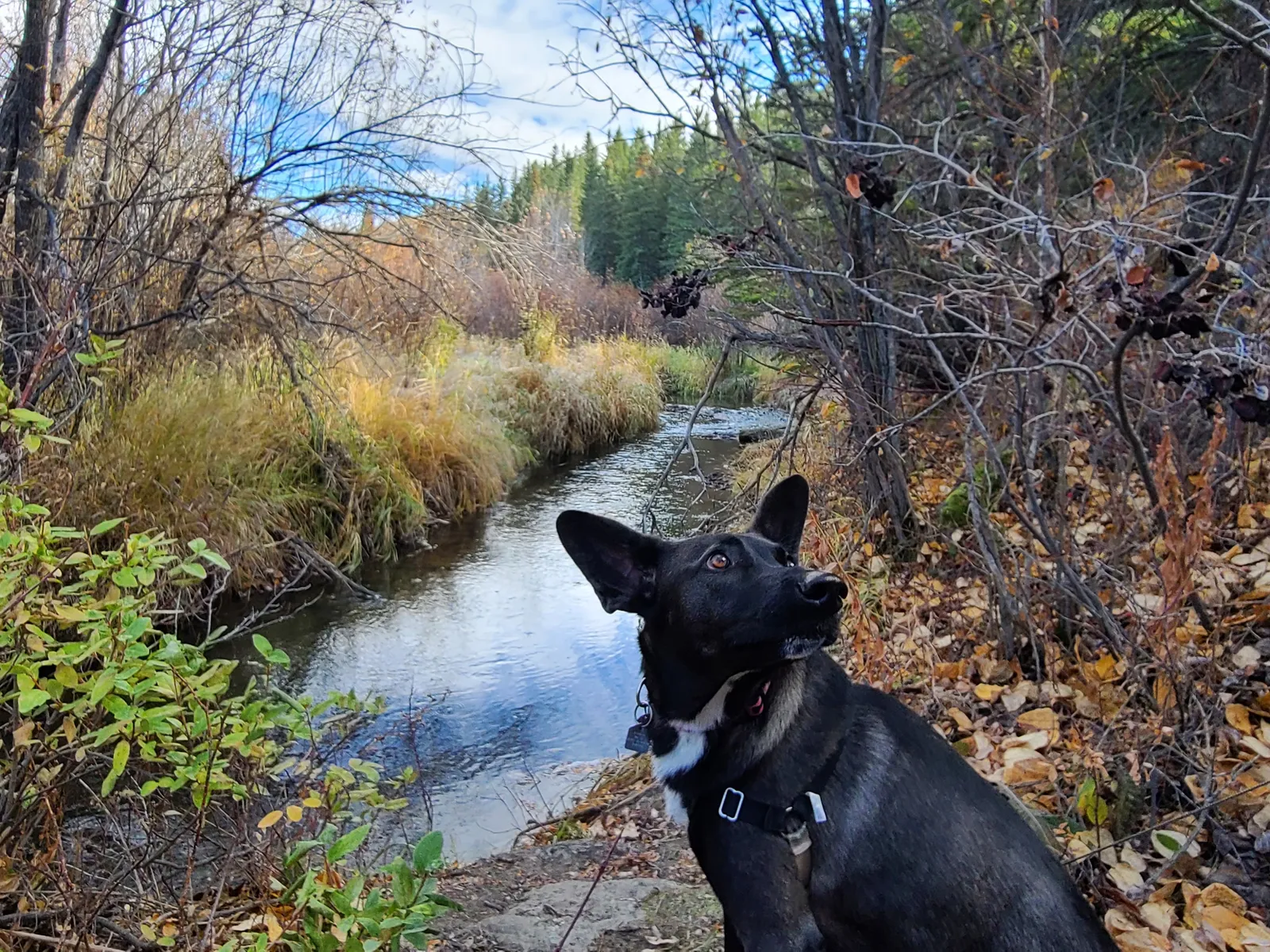
Why Malinois Stop Listening
When your Malinois won’t listen, it’s easy to label them as stubborn or defiant. But Belgian Malinois aren’t naturally disobedient. They’re working dogs bred for intense focus and cooperation. If your Malinois is ignoring you, it’s because they’ve learned that not listening works better than listening.
Understanding Why They Ignore You
Reinforcement Works Both Ways
Every interaction with your Malinois either strengthens or weakens their response to you. When they listen, they should get something worthwhile. When they ignore you, they shouldn’t get what they want. Simple in theory, but harder in practice.
Common Mistakes That Train Ignoring
-
Calling them away from fun things without payoff If you only call your dog when it’s time to leave the park or stop playing, you’re teaching them that responding means good things end.
-
Repeating commands When we say “sit, Sit, SIT!” we teach our dog the first two don’t matter. They learn to wait for the frustrated version.
-
Inconsistent consequences Sometimes they get away with ignoring, sometimes they don’t. This creates a gambling mindset where ignoring might pay off.
Building Better Listening Skills
Start With Engagement
Our photo library shows Coco participating in 15 different activities across various settings. This variety is key. We’ve captured 88 swimming photos, 65 walks, 28 running moments, and 27 play photos. This range of activities builds engagement naturally.
Don’t start with formal commands. Start by being interesting:
- Get excited about things
- Move unpredictably
- Make noise
- Run away from your dog
- Change direction during walks
Use Real Life Rewards
Our content library shows Coco in diverse environments: 76 river visits, 39 field trips, 37 lake outings. These become natural rewards. When your Malinois listens, they get to:
- Keep swimming
- Continue sniffing
- Chase the ball again
- Get to the trail faster
- Explore new areas
Practice in Different Places
Across our photo collection, we see training opportunities in:
- Indoor spaces (345 instances)
- Natural settings (76 river, 39 field)
- Various weather conditions (39 snow photos)
- Different terrains (24 trail, 19 forest)
Start where it’s easy, then gradually add challenge. A command that works in your kitchen might fail at the river. That’s normal.
Creating Reliable Responses
The 3-Second Rule
If your Malinois doesn’t respond within 3 seconds:
- Don’t repeat the command
- Change something to make it easier
- Help them succeed
- Try again
Make Listening Worth It
Our data shows successful engagement across various life stages, from puppy (128 photos) through adult (316 photos). This progression happened because we made responses worthwhile.
Strong responses need:
- High value rewards
- Immediate feedback
- Clear communication
- Consistent rules
When Professional Help Makes Sense
While we’ve had success with basic training principles, some situations need expert help. Consider working with a professional trainer if:
- Your Malinois is aggressive when ignored
- They’re completely tuning you out
- Basic commands aren’t sticking after consistent work
- You’re feeling overwhelmed
Prevention Is Easier Than Fixing
Our photo library shows steady progression from puppy (128 instances) to young dog (147) to adult (316). This reflects consistent engagement from the start. It’s easier to build good habits early than fix bad ones later.
Keys to Preventing Selective Hearing
- Never give commands you can’t enforce
- Keep training sessions short and successful
- Reward good behavior generously
- Stay consistent with rules
- Build engagement before adding difficulty
Building Trust Takes Time
Looking at our content library spanning multiple life stages, we can see that reliable responses developed gradually. Don’t expect instant results. Focus on small wins and steady progress.
Remember that your Malinois wants to work with you. They’re bred for partnership. When they ignore you, it’s usually because the current system isn’t working for them. Fix that, and you’ll fix the listening problem.
Frequently Asked Questions
Won't my Malinois get fat if I use food rewards all the time?
No, just adjust their regular meals to account for training treats. We use about 25% of Coco's daily calories for training and haven't had weight issues.
Should I use a prong collar to make my Malinois listen?
Talk to a professional trainer about equipment choices. There's no need to jump to aversive tools before mastering positive reinforcement basics.
My Malinois only listens when I have treats. How do I fix this?
Start varying rewards between food, toys, and real-life rewards like going outside or swimming. Don't eliminate treats entirely, just make them unpredictable.
Coco's Human
Belgian Malinois owner since 2020